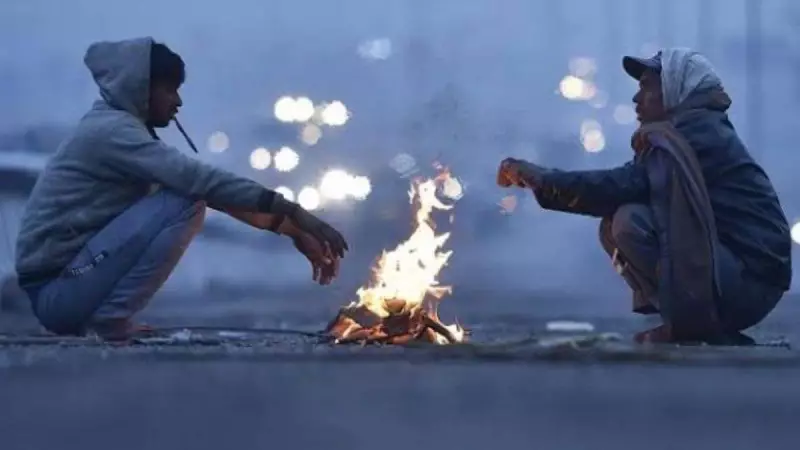
A severe cold wave has intensified its hold over vast swathes of North India, bringing bone-chilling temperatures and disrupting daily life. The India Meteorological Department (IMD) has issued warnings for dense fog and freezing cold nights across several states, with no immediate respite in sight.
IMD's Stark Warning for Dense Fog and Freezing Nights
The weather office has forecast widespread dense to very dense fog in the morning hours over Punjab, Haryana, Chandigarh, Delhi, and Uttar Pradesh for the next few days. The IMD specifically highlighted that cold day to severe cold day conditions are very likely to persist in some pockets of Punjab, Haryana, and Chandigarh. Residents are bracing for minimum temperatures to plunge between 3-6 degrees Celsius in many parts of these regions, with some areas experiencing near-freezing levels.
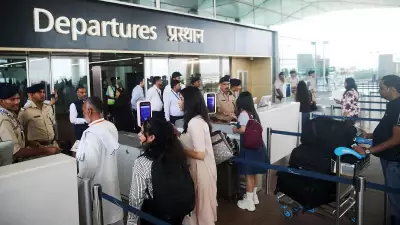
The chilling effect is compounded by dense fog, which significantly reduces visibility. This has led to major disruptions in road, rail, and air travel. The IMD's alert emphasizes the serious risks associated with such weather, including health hazards from the extreme cold and increased chances of accidents due to poor visibility.

Widespread Impact Across Northern States
The cold wave's grip is being felt across a broad geographical area. Punjab, Haryana, Delhi, Uttar Pradesh, and parts of Rajasthan are the worst affected. In the national capital, Delhi, the minimum temperature has hovered around 4-5 degrees Celsius, with dense fog enveloping the city every morning. The familiar sight of delayed flights and trains has become a daily reality, causing inconvenience to thousands of commuters.
The situation is equally severe in the plains of Punjab and Haryana, where farmers are particularly vulnerable to the harsh conditions. The persistent fog and low sunlight also affect crop health. Authorities have advised the public, especially the elderly, children, and those with respiratory issues, to avoid early morning exposure and to wear adequate layers of warm clothing.
Health Advisories and Safety Precautions
In response to the severe weather, state governments and health departments have issued advisories. The key recommendations include:
- Avoiding non-essential travel during early morning and late night hours when fog is at its peak and temperatures are lowest.
- Ensuring proper heating arrangements for vulnerable populations, while being cautious of fire hazards and carbon monoxide poisoning from indoor heaters.
- Staying hydrated and consuming warm foods and drinks to help the body maintain its core temperature.
- Drivers are urged to use fog lights, drive at low speeds, and avoid sudden braking when navigating through low-visibility conditions.
The IMD continues to monitor the situation closely. The current cold spell is attributed to a combination of factors, including light dry north-westerly winds and clear skies that allow for maximum radiative cooling at night. While a slight moderation in minimum temperatures is possible in some areas after a few days, the cold wave conditions are expected to persist over the northern plains. Citizens are advised to stay tuned to official weather updates and follow all safety guidelines issued by the authorities to navigate this period of intense winter weather.