Odisha's Similipal Tiger Reserve experienced a severe temperature drop, with the mercury plunging to a freezing 0 degrees Celsius in its core area on Tuesday night. This intense cold wave has gripped the state, affecting daily life and wildlife patterns.
Deep Freeze in the Tiger's Core Territory
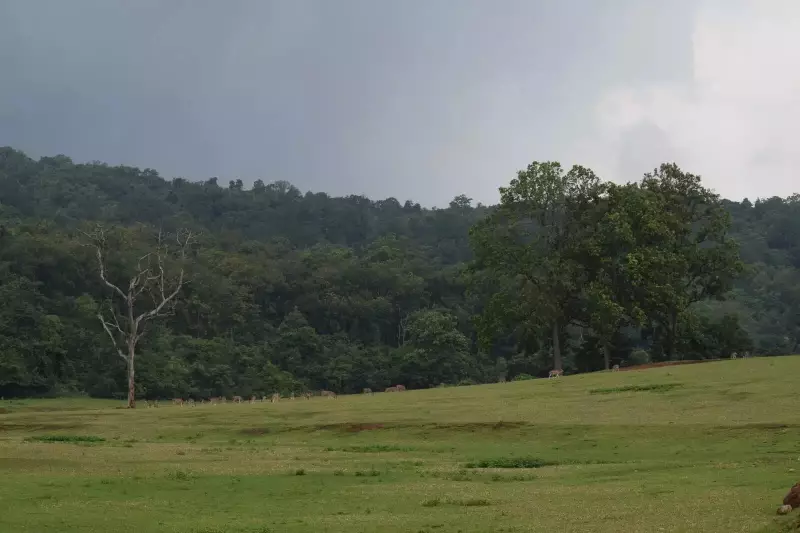
The record low was recorded in the Upper Barakamada (UBK) region, described as the core of the core area for the reserve's tiger population. This zone, characterized by vast natural meadows and valleys, is a crucial habitat for herbivores to graze and carnivores to hunt. Tourist access to UBK is strictly prohibited, with entry reserved only for authorized officials and patrol staff to maintain its inviolate status for conservation.
Similipal deputy director (South), Samrat Gowda, explained that such sharp dips to 0°C are typical for a day or two during December and January. He assured that the cold does not disrupt tourism in accessible parts of the reserve. "We provide high-quality warm clothes and arrange campfires for tourists. Animals, both carnivores and herbivores, acclimatise to the harsh winter," Gowda stated. He noted that while animal sightings decrease slightly as they retreat to deep forests earlier in the evening, they return to the meadows by morning.

Statewide Chill Disrupts Daily Life
The cold wave's impact extended far beyond the tiger reserve. Twenty-three districts across Odisha recorded temperatures below 10°C, forcing people to stay indoors after dark. In rural areas, villagers were seen burning wood inside their homes for warmth and bundling up in extra layers of clothing to combat the biting cold.
Weather observer Manas Pati highlighted Daringbadi in Kandhamal district as another area hitting 0°C, attributing it to the surrounding dense forests. "The sun appears after 9 am, and a cold breeze blows all day. By 4 pm, everyone is in warm clothes," Pati described. The persistent fog across villages and towns further complicated movement, especially for motorists.
Adaptations to the Bitter Cold
The severe weather has led to noticeable changes in daily routines. Weekly markets in villages opened an hour later than in other seasons, as people waited for more comfortable temperatures before venturing out. This adaptation underscores the widespread effort to cope with the challenging conditions.
Despite the harsh environment for humans, forest officials emphasize that the wildlife of Similipal is well-adapted. The conservation-focused management of sensitive areas like UBK ensures minimal human disturbance, allowing natural ecological processes, including adaptation to seasonal temperature extremes, to continue undisturbed.