The sight of trees being felled for infrastructure projects has become all too common in Indian cities. Often, these trees are treated as collateral damage, sacrificed in the name of progress. However, this approach is shortsighted and detrimental to the environment and public health.
The Value of Urban Trees
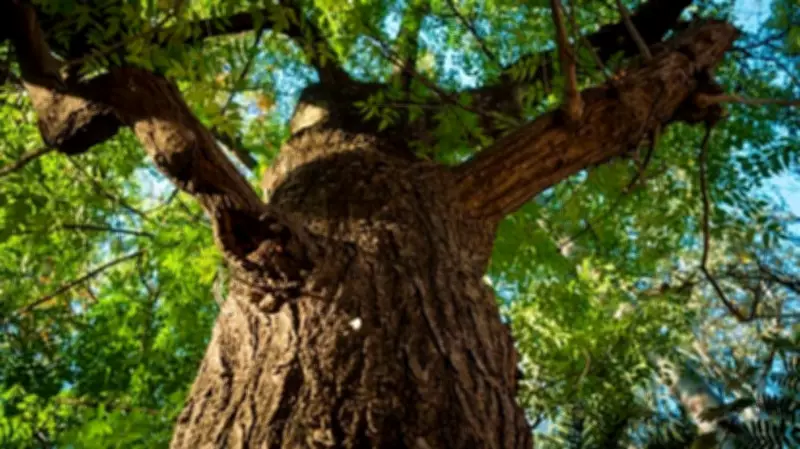
Trees provide numerous benefits: they improve air quality, reduce heat island effects, prevent soil erosion, and enhance mental well-being. A single mature tree can absorb up to 48 pounds of carbon dioxide annually. In cities, they are vital green infrastructure that mitigates pollution and climate impacts.
Current Practices and Gaps
Despite these benefits, trees are often removed without adequate compensation. The practice of transplanting trees is fraught with low survival rates, and compensatory planting often fails due to poor maintenance. Moreover, laws like the Tree Protection Act are weakly enforced.

Need for a Paradigm Shift
Urban planning must prioritize preserving existing trees over removing them. Development projects should be designed around trees, not vice versa. Public awareness and community involvement in tree conservation are crucial. Stricter penalties for illegal felling and mandatory environmental impact assessments can help.
Conclusion
Trees are not mere obstacles to development; they are essential for sustainable cities. It is time to recognize their intrinsic value and treat them as integral to urban planning, not as collateral damage.