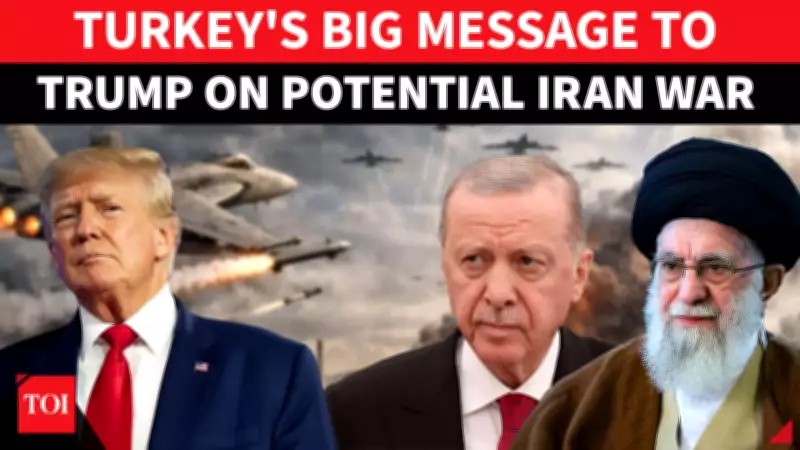
Geopolitical tensions in the Middle East are escalating to a critical new level, with Turkey emerging as a potential diplomatic mediator in a rapidly intensifying standoff between the United States and Iran. As military signals from the U.S. grow stronger and reports indicate coordinated strike preparations targeting Iran, Turkish President Recep Tayyip Erdogan has engaged in high-level talks with both U.S. President Donald Trump and Iran's leadership, proposing to facilitate dialogue and de-escalate the situation.
Military Movements and Diplomatic Initiatives Collide
The diplomatic push from Ankara coincides with significant military developments that are heightening regional instability. According to intelligence reports, F-35 fighter jets have been repositioned across the Atlantic, signaling potential readiness for operations. Simultaneously, Iran has announced the induction of thousands of advanced combat drones into its military arsenal, a move that could significantly alter the strategic balance in the region.
Turkey's Strategic Role in De-escalation
President Erdogan's offer to mediate reflects Turkey's unique geopolitical position and its historical relationships with both Western powers and Middle Eastern nations. This initiative aims to prevent a full-scale military confrontation that could have devastating consequences for regional stability and global security. The Turkish leader's conversations with both Trump and Iranian officials underscore Ankara's commitment to acting as a bridge in this volatile diplomatic landscape.

Escalating Military Posturing
The current situation represents a dangerous convergence of military posturing and diplomatic maneuvering. Fighter jet movements, target bank preparations, and behind-the-scenes diplomatic efforts are creating a complex web of interactions that raises the stakes for all parties involved. The potential for miscalculation or accidental escalation remains a significant concern among international observers and security analysts.
Regional Implications and Global Concerns
The growing tensions between the United States and Iran have far-reaching implications beyond their bilateral relationship. Neighboring countries in the Middle East are closely monitoring developments, with many expressing concern about potential spillover effects. The international community faces the challenge of balancing pressure on Iran's nuclear ambitions with the need to prevent regional conflict.
As diplomatic channels remain open through Turkey's mediation offer, the coming days will be crucial in determining whether dialogue can prevail over military escalation. The world watches anxiously as these high-stakes negotiations unfold against a backdrop of military preparedness and regional uncertainty.