

UAE Authorities Modify Emergency Alert System to Ease Public Anxiety
The National Emergency Crisis and Disaster Management Authority (NCEMA) of the United Arab Emirates made a significant announcement on March 9th, revealing plans to alter the nation's emergency alert tone. Between the hours of 10:30 PM and 9:00 AM, the previously shrill siren would be replaced with a regular, less distressing chime. This decision came directly in response to widespread complaints from residents who reported that the original alarm was causing significant anxiety and sleep disturbances, particularly among families with young children.
Public Feedback Drives Unprecedented Policy Change
This adjustment represents a notable example of a government actively modifying a critical national safety system based on citizen input. While some might view such a change as indicative of a sheltered society, the move demonstrates a responsive governance approach that prioritizes public well-being alongside security protocols. The authority essentially asked: "Can we make our safety alerts slightly less stressful?" and implemented a solution accordingly.
Contrasting Narratives: External Perceptions Versus On-Ground Reality
Since late February, three distinct narratives have emerged from observers outside the UAE:

- Speculative Commentary: Certain media outlets and social media users from the US, UK, India, and elsewhere have circulated sensational rumors, including false claims about attacks on landmarks like the Burj Khalifa. The iconic tower responded by illuminating its facade with UAE national colors the following day.
- Dramatized News Coverage: International television networks frequently replay dramatic footage of missile interceptions and debris, often broadcasting these scenes hours after incidents have been officially contained and announced.
- Concerned Personal Contacts: Friends and family abroad express panic, struggling to reconcile alarming news reports with the calm descriptions from residents. Common questions include inquiries about routine activities like visiting shopping malls.
Business as Usual in Dubai Despite Regional Conflicts
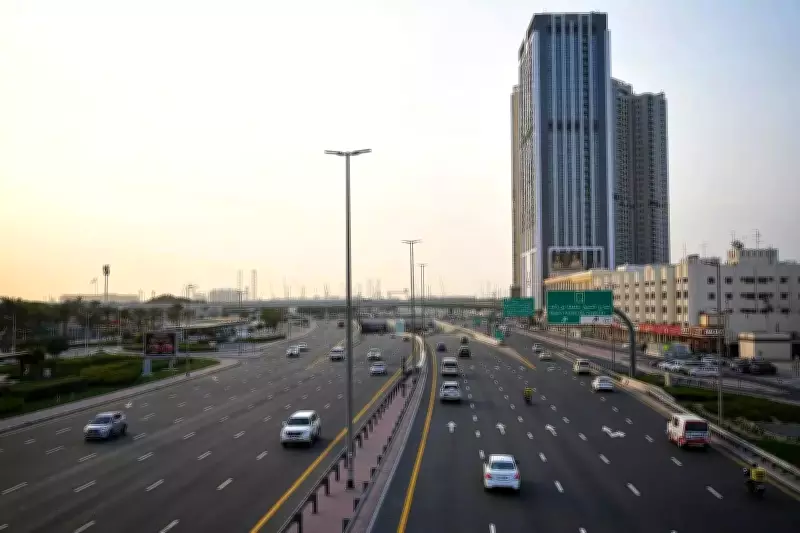
Contrary to external perceptions, daily life in Dubai continues with remarkable normalcy. Residents maintain regular routines, including walks, gym visits, and social gatherings. Commercial aviation operates uninterrupted, with multiple aircraft visible in the sky at any given moment. Delivery services function efficiently, with local providers like Noon maintaining rapid delivery times for essentials. Supermarkets remain fully stocked without signs of hoarding, and all businesses—from McDonald's to craft coffee shops—remain open, even during Ramadan.
Structured Response and Community Resilience
The UAE government has implemented a series of measured, practical responses:
- Educational Adjustments: Following initial missile launches, schools closed temporarily from March 4th to 6th, with spring break rescheduled earlier than planned. This transition occurred smoothly without public confusion, while children's extracurricular activities continued normally.
- Financial Accommodations: During the crisis peak, some banks extended operating hours until midnight and waived ATM withdrawal fees (approximately 2.1 AED or 50 rupees), addressing minor but meaningful inconveniences.
- Tourism Support: Abu Dhabi's Department of Culture and Tourism instructed hotels to extend stranded travelers' stays at government expense, demonstrating comprehensive crisis management.
The Spirit of Continuity in a Global City
Dubai's persistent functionality raises interesting questions about urban resilience. Is this continuity driven by an inherent city spirit, or by practical necessities in an expensive metropolis where people must work? Similar arguments could apply to major global cities like London, New York, or Mumbai. The UAE's approach combines pragmatic measures with psychological consideration, from alert tone adjustments to transparent, well-designed Ministry of Defence communications.

While residents acknowledge heightened awareness—sometimes mistaking truck noises for missiles—the overall atmosphere remains determinedly forward-looking. As the city continues its daily rhythm, the prevailing sentiment among residents encapsulates both resilience and camaraderie: Yalla Habibi, Let's Go!





