DC Highlights Increased Disaster Risk from Unplanned Construction and Climate Change
Shimla Deputy Commissioner Anupam Kashyap stated on Thursday that the district, located in a geographically vulnerable region of the Himalayas, faces heightened natural disaster risks due to unplanned urban expansion, climate change, and shifting rainfall patterns. He emphasized that sustainable disaster risk reduction and resilient development are now more critical than ever.
Meeting on Monsoon Preparedness Held via Video Conferencing
Kashyap chaired a video conferencing meeting with all Sub Divisional Magistrates (SDMs) of the district to review preparedness for potential disasters during the monsoon season. The meeting focused on ensuring the safety of people and property while effectively managing natural disasters.
Directives for Regular Review Meetings and Reporting
The DC directed SDMs to hold review meetings on monsoon preparations on the 10th, 20th, and 30th of July, August, and September. Reports must be submitted the following day, with strict compliance required. Patwaris were instructed to submit damage reports, including videos and photographs, with no tolerance for negligence.

Priority on Life, Property, and Infrastructure Safety
Kashyap stressed that the administration's priority is safeguarding life, property, and critical infrastructure during the monsoon, while minimizing risks from heavy rainfall, flooding, waterlogging, landslides, and other disasters. Pre-monsoon planning, coordination, and preparedness across departments have been strengthened, with emphasis on identifying vulnerable areas, assessing resources, implementing timely warning systems, and ensuring effective relief and rescue operations.
Infrastructure Inspections and Mitigation Measures
The district administration is inspecting national and state highways, bridges, and drainage systems in urban and rural areas. Vulnerable roadways are identified, and necessary repairs are completed on time. Warning signs are installed in landslide and flood-prone zones, and alternative route information is provided during road blockages. Departments have been asked to identify vulnerable locations and prepare proposals under the State Disaster Mitigation Fund. A total of 219 disaster response kits have been distributed in Rohru, Jubbal, Kupvi, Chopal, Rampur, Nankhari, and Chowara areas under the Panchayat Emergency Response Plan.
Monitoring and Coordination with Emergency Forces
All departments have been directed to regularly monitor landslide-prone areas, disseminate weather warnings promptly, and prepare contingency plans for uninterrupted essential services like electricity, drinking water, communications, and transportation. Coordination with police, SDRF, NDRF, army, and paramilitary forces has been instructed, along with identifying safe relief camps, regulating tourist movement in vulnerable areas during heavy rainfall, and conducting public awareness campaigns to prevent waterborne and infectious diseases.
Lessons from Past Incidents
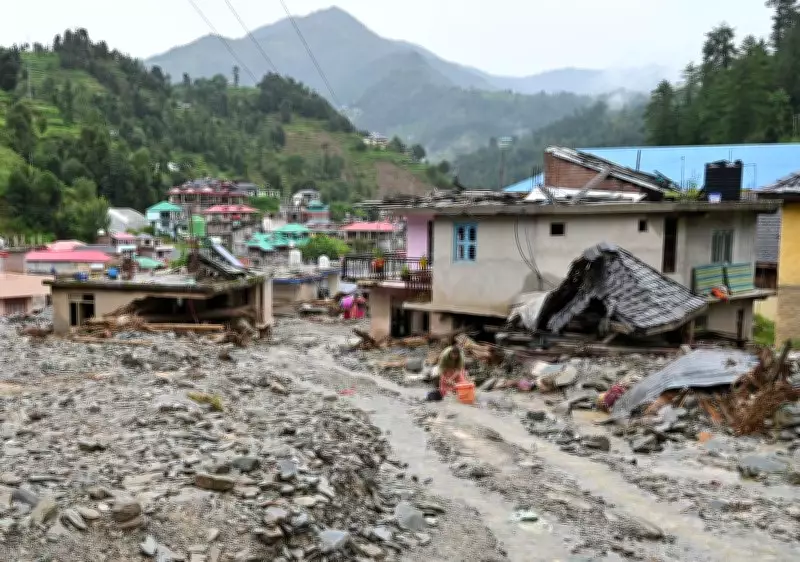
Kashyap noted that preparedness has been strengthened based on experiences from the Shiv Baori Temple landslide at Summerhill in 2023 and the cloudburst and flash flood in Samej area of Rampur subdivision in 2024. These incidents caused loss of life, road disruptions, and damage to buildings, agriculture, horticulture, hydroelectric projects, and transportation networks.
Appeal to Public for Safety
The DC appealed to residents to strictly adhere to warnings from the State Meteorological Centre, avoid unnecessary travel during rains, and stay away from landslide and flood-prone areas. In case of emergency, people should contact the District Emergency Operations Centre or the administration immediately.