In the untamed world of nature, conflict is a fundamental language. Animals, driven by primal instincts, engage in fierce battles not out of malice, but necessity. As observed by naturalists, these clashes are primarily fought for four critical reasons: to win a mate, to defend their young, to acquire essential resources, and to protect their hard-earned territories. This relentless struggle for survival shapes the dynamics of the wild, from the majestic big cats of Ranthambore to the hummingbirds in our backyards.
The High Stakes of Territorial Defense
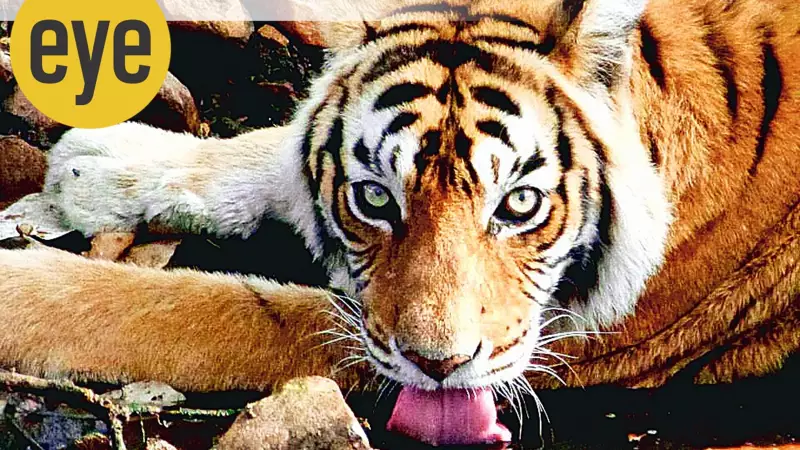
For apex predators like lions, tigers, leopards, and cheetahs, territory is everything. These big cats maintain strict boundaries through rigorous patrols and scent marking on trees and rocks. An intruder venturing into these claimed zones faces severe consequences. Typically, a confrontation begins with intimidating displays of prowess—roaring, posturing, and the familiar yowls akin to domestic cats. Both animals are often reluctant to escalate to physical combat, as a serious injury could spell doom for their future hunting success and survival.
However, when an intruder believes itself stronger, brutal battles ensue. These fights show no mercy, not even between family members. In Ranthambore National Park, formidable tigress queens have been forcibly driven out of their prime territories by their own grown-up daughters. Similarly, clashes between young males, even brothers, can turn deadly, with one sometimes paying the ultimate price.

Pride, Power, and Familial Bonds
The social structure of lions reveals an even more complex layer of conflict. A pride, typically consisting of related lionesses, their cubs, and a dominant male, is a fortress under constant threat. The male's primary role is protection, while the lionesses hunt. This order is violently disrupted by coalitions of landless young males seeking a territory of their own. A single male is often overpowered by these groups, leading to his ousting or death. The aftermath is tragic for his former family; the new males promptly kill all cubs to ensure the next generation carries their genes.
This coalition strategy isn't unique to lions. Cheetah brothers also band together, making hunting easier and providing strength against ubiquitous threats like hyenas. For other species, the family unit is the ultimate priority. Wild dogs and meerkats exemplify this, with the entire clan participating in rearing young. Meerkats, ruled by iron-fisted queens, will launch full-scale war charges against rival groups encroaching on their land, dealing harshly with any perceived traitors within their ranks.
Conflicts Beyond the Mammal World
Territorial warfare is not confined to mammals. Birds are notoriously aggressive defenders of their domains. A magpie robin will abruptly stop its song to chase a rival away. Hummingbirds duel ferociously over nectar-rich flowers, and cormorants engage in aerial 'king of the castle' battles for the best perches. Even the insect world is rife with conflict. Dragonflies patrol claimed air corridors and will charge any obstacle, while ants act as ruthless border guards. An observer on the Delhi Ridge once noted a coppersmith bird being evicted from its nest hole by a woodpecker, which was later usurped by a swarm of bees seeking a hive location.
Perhaps one of the most dramatic displays of animal warfare was witnessed on the Delhi Ridge itself, where troops of Rhesus macaques clashed. A larger, more aggressive group staged an ambush from a thorny slope before descending with blood-curdling screams upon a smaller, peacefully feeding clan, scattering them and seizing their territory. In such chaotic encounters, the youngest and most vulnerable often suffer the most casualties.
These raw, instinctive battles for space and resources in the animal kingdom hold up a mirror to human behavior. As noted by the author, we now enact similar exclusionary policies against refugees with valid documents—a stark contrast to the pure survival instinct driving animals, and a practice often led by those whose own history is marked by conquest and acquisition. The wild teaches us that conflict for essential needs is innate, but the reasons and methods can evolve into something far more complex.