By the second week of May this year, India's heat risk had begun to sharpen again. The India Meteorological Department (IMD) warned of heatwave conditions over parts of Rajasthan, Gujarat, and Madhya Pradesh, along with warm-night conditions in parts of Rajasthan.
A shifting pattern of heat
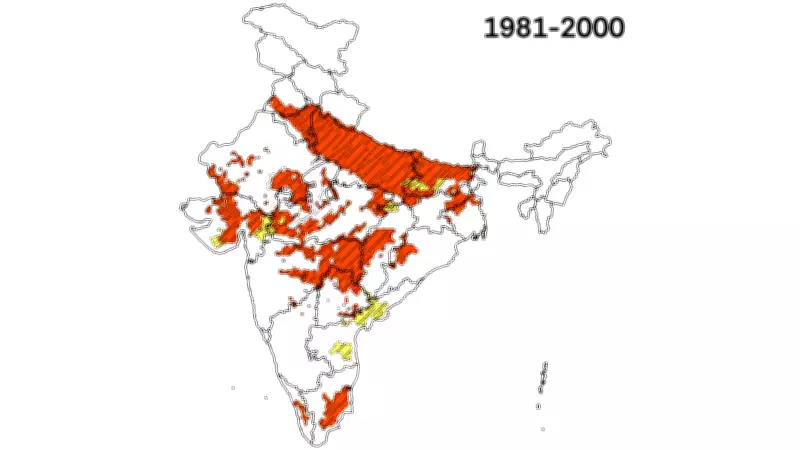
India has always had harsh summers. But the pattern now emerging is different. Heat is arriving earlier, lasting longer, spreading across a wider geography, and affecting regions that were not historically part of India's traditional heatwave belt. Moreover, there is no respite at night.
According to climate scientists, the average temperature during summer months has risen by about 0.5 degrees Celsius over the past five decades. However, the frequency and intensity of extreme heat events have increased disproportionately. For instance, the number of heatwave days has tripled since the 1970s.

Why does it feel worse?
The perceived severity of heat is not just about temperature. High humidity, which has been increasing due to warmer oceans and changing wind patterns, makes it harder for the human body to cool down through sweating. This combination of heat and humidity, measured by the wet-bulb globe temperature, is a better indicator of heat stress. In many parts of India, wet-bulb temperatures have been approaching dangerous thresholds.
Urbanization also plays a role. Cities like Delhi, Mumbai, and Bengaluru experience the urban heat island effect, where concrete and asphalt absorb and re-radiate heat, making nights particularly uncomfortable. The lack of green cover and water bodies exacerbates this effect.
What can be done?
Adaptation measures include heat action plans, early warning systems, cool roofs, and urban greening. However, experts emphasize that without significant reduction in greenhouse gas emissions, the trend of worsening summers will continue.
The IMD has advised people to avoid exposure to heat, stay hydrated, and check on vulnerable neighbors. As the climate continues to change, India's summers are likely to become even more challenging.