The tragic death of a wild elephant named Rolex, shortly after being captured and relocated by the forest department, has highlighted the severe risks associated with moving large animals. This incident has underscored the urgent need for better on-ground medical facilities for wildlife, a gap that a newly inaugurated centre in Coimbatore district aims to fill.
The Fate of Tusker Rolex
The forest department captured a wild tusker known as Rolex on October 17 after it repeatedly wandered into residential areas near the Boluvampatti forest range in Coimbatore. Weighing approximately 6.5 tonnes, the elephant was later released into the wild at Manthirimattam inside the Anamalai Tiger Reserve on November 12. Tragically, the jumbo died just a fortnight later. Preliminary reports indicate the cause of death was cardiac arrest.
This case is not isolated. Many wild animals that undergo translocation do not survive due to a combination of factors including environmental changes, extreme stress, and an inability to locate familiar food and water sources in unfamiliar territory.

A Ray of Hope: The Wildlife Transit and Treatment Centre
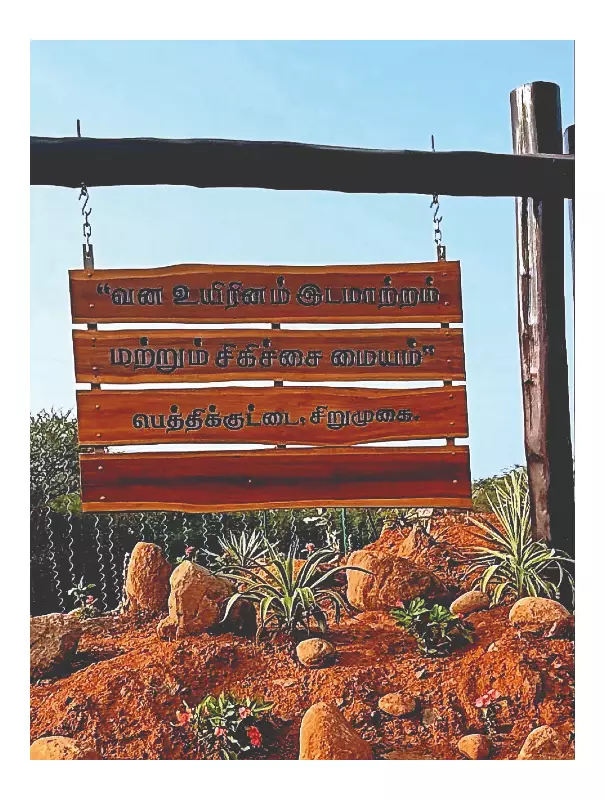
In response to such recurring tragedies, the forest department has inaugurated the state's first Wildlife Transit and Treatment Centre at Pethikuttai near Sirumugai in Coimbatore district. This facility is designed to provide critical, immediate care to sick, injured, or rescued wild animals, with the goal of significantly reducing preventable deaths.
"The rescued animals will no longer need to be transported over long distances, as we have all the required facilities to treat them here," stated forest veterinary surgeon E Vijayaragavan, who is in charge of the new treatment facility. Supriya Sahu, Additional Chief Secretary of Environment, Climate Change and Forests, confirmed, "This is the state’s first treatment facility for wildlife."
Advanced Infrastructure for Animal Care
Designed by the Wildlife Trust of India (WTI), the centre boasts a modern operating theatre, 17 purpose-built wildlife enclosures, and advanced medical equipment. N V K Ashraf, WTI’s senior adviser, detailed the layout: "The centre has a human zone where the veterinary clinic and quarters are located, a quarantine zone, a rehabilitation zone, and a lifetime care zone. A separate structure for leopards, tigers, and bears is built."
The facility also features specialized areas for younger and smaller animals:
- A nursery with a swimming pool for elephant calves, where they can stay until they are one year old before moving to an elephant camp.
- A separate nursery dedicated to small animals and snakes.
The centre's mandate includes providing initial treatment, first aid, and stabilization. It also offers secure enclosures for short-term observation, and facilitates the safe movement of animals to suitable sanctuaries or back into their natural habitat. Mobile units are equipped to reach animals in distress directly.
A Long-Awaited Facility
The establishment of this centre follows advocacy from wildlife activists. Wildlife activist S Muralidharan pointed out that a writ petition was previously filed in the high court urging the creation of a state-of-the-art treatment facility and proper training for wildlife surgeons. This new centre appears to be a direct answer to those demands, aiming to provide professional and timely medical intervention for India's precious wildlife.