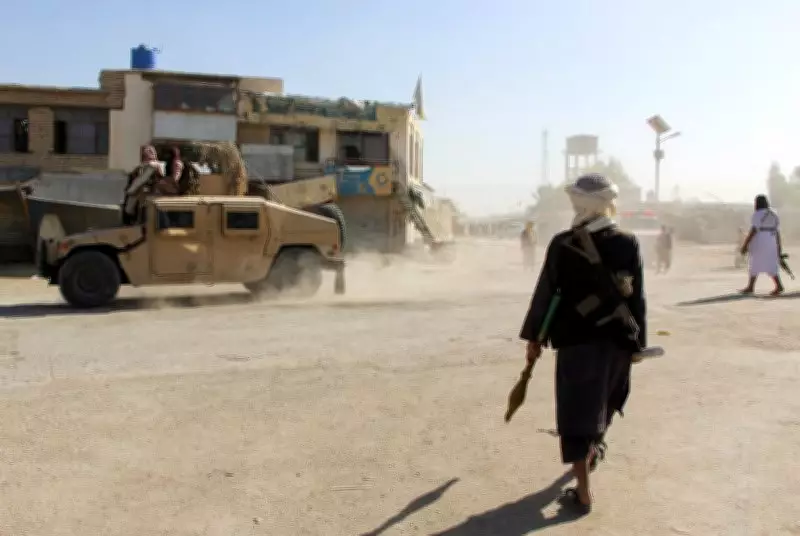
Afghanistan Launches Strikes on Pakistani Border Posts Following Deadly Clashes
In a significant escalation of regional tensions, Afghanistan has conducted military strikes against Pakistani border posts, just days after deadly clashes erupted between the two neighboring countries. This development underscores the fragile security situation along the volatile border region, raising concerns about further instability in South Asia.
Background of the Recent Clashes
The strikes come on the heels of recent violent confrontations that resulted in casualties on both sides. According to reports, these clashes involved exchanges of fire and skirmishes between Afghan and Pakistani forces, highlighting long-standing territorial disputes and security issues. The exact number of fatalities and injuries from the initial incidents remains under investigation, but sources indicate significant military and civilian impacts.
Details of the Border Strikes
Afghan forces targeted multiple Pakistani border posts in a coordinated operation, utilizing artillery and small arms fire. The attacks were concentrated in key border areas known for cross-border tensions, with both nations accusing each other of aggression and violations of sovereignty. Pakistani officials have condemned the strikes as unprovoked, while Afghan authorities claim they were in response to prior provocations.

- Timing: The strikes occurred shortly after the deadly clashes, suggesting a rapid escalation.
- Location: Focused on strategic border posts that control access and movement.
- Military Response: Pakistan has reportedly reinforced its border defenses and is assessing the damage.
Regional Implications and International Concerns
This incident exacerbates the already strained relations between Afghanistan and Pakistan, two nations with a history of border disputes and political friction. The strikes could potentially derail diplomatic efforts aimed at fostering cooperation on issues such as counter-terrorism and trade. International observers, including the United Nations and regional powers, have expressed alarm over the escalation, calling for restraint and dialogue to prevent a full-blown conflict.
The situation remains fluid, with both sides maintaining a high state of alert along the border.Historical Context of Afghanistan-Pakistan Border Tensions
Border tensions between Afghanistan and Pakistan are not new, rooted in historical grievances and the contentious Durand Line, which serves as the de facto border. Over the years, this area has witnessed numerous skirmishes, often linked to insurgent activities and territorial claims. The recent clashes and subsequent strikes are part of a broader pattern of instability that affects not only the two countries but also the wider region, including impacts on humanitarian efforts and economic development.
As the situation unfolds, analysts warn that further military actions could have dire consequences for regional peace and security. Both nations are urged to engage in constructive talks to de-escalate tensions and address underlying issues through diplomatic channels.