A disturbing wave of alleged custodial killings in Pakistan's restive Balochistan province has triggered fresh alarms about the conduct of the country's security apparatus. Within a span of just ten days, the bodies of five young Baloch men, who were reportedly picked up by security forces, have been discovered, igniting widespread protests and condemnation.
A Pattern of Enforced Disappearances and Deaths
The recent spate of incidents follows a grim and familiar pattern in the region. According to details from the source, the victims were identified as Naseem Baloch, Noor Bakhsh, Abdul Hameed, and two others named Shams and Irfan. These individuals were allegedly detained by Pakistani security forces, only for their mutilated bodies to be found dumped in remote areas days later.
Naseem Baloch's case is particularly highlighted. He was reportedly taken into custody from a bus stop in the Kech district. His body was discovered on June 23, 2024. Similarly, the body of Noor Bakhsh was found on June 26 in the Mazar-i-Quaid neighborhood of Karachi, a city far from his home in Balochistan. These discoveries have not been isolated but represent a peak in a long-standing crisis of enforced disappearances in the province.

Public Outrage and the Voice of Protest
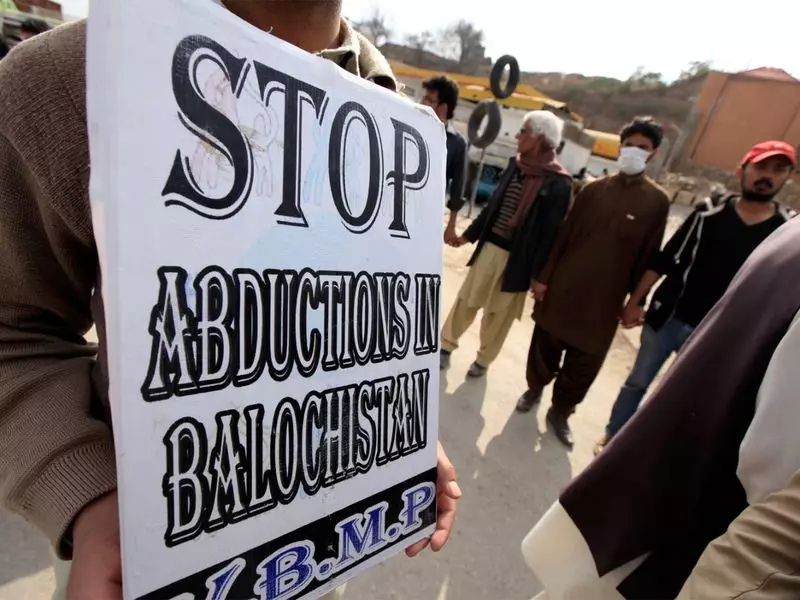
The killings have provoked intense public anger, spearheaded by the Baloch Yakjehti Committee (BYC). The group has been organizing sustained protests, including a significant sit-in in Islamabad, demanding justice and an end to the practice of enforced disappearances and extrajudicial killings.
Protesters and human rights activists accuse Pakistan's Frontier Corps (FC), intelligence agencies, and the Counter-Terrorism Department (CTD) of being responsible for these actions. They argue that these "kill-and-dump" operations are a brutal tactic used to suppress dissent and the Baloch struggle for rights and resources. The state's narrative often labels the victims as militants, but families and rights groups consistently contest these claims, stating the victims were ordinary civilians.
International Scrutiny and a Failing System
The situation in Balochistan has drawn consistent criticism from international human rights organizations. The recent killings have further damaged Pakistan's standing on the global stage regarding human rights. The state's internal mechanisms, such as the Commission of Inquiry on Enforced Disappearances (COIOED), are widely perceived as ineffective, failing to provide answers or accountability to grieving families.
This crisis underscores a deep-seated conflict between the Pakistani state and Baloch nationalist groups. The province, rich in natural resources like gas and minerals, has seen decades of unrest fueled by grievances over political marginalization and economic exploitation. The security forces' heavy-handed approach, evidenced by these custodial killings, appears to be exacerbating the cycle of violence and alienation rather than resolving it.
The fresh wave of deaths acts as a stark reminder that without genuine political dialogue, transparency in security operations, and a credible judicial process to address past abuses, the turmoil in Balochistan is likely to continue, with devastating human costs.