

Ceasefire Violations Reported in Lebanon Amid Ongoing Israeli Military Activities
Recent developments in the Middle East have seen a significant escalation of tensions, with ceasefire violations reported in Lebanon as Israeli artillery shelling and aerial surveillance continue unabated. This situation underscores the fragile nature of regional stability and has prompted concerns from international observers and diplomatic circles.
Details of the Military Incidents
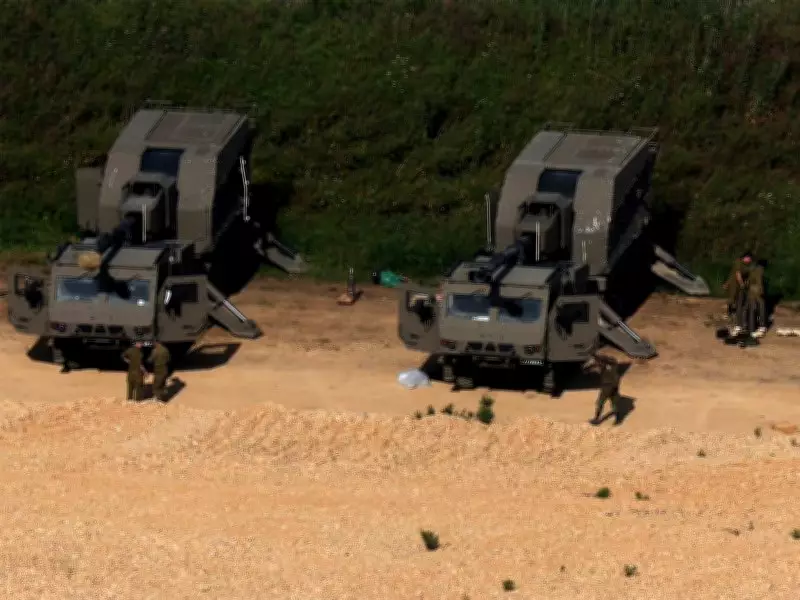
According to sources on the ground, Israeli forces have been actively engaged in artillery shelling across various locations in Lebanon. The shelling, which has intensified over the past few days, targets areas near the border, leading to reports of property damage and heightened security alerts among local populations. Concurrently, Israeli aerial surveillance operations have been noted, with drones and other aircraft conducting frequent flyovers to monitor movements and activities in the region.
These actions represent clear violations of the existing ceasefire agreements that have been in place to maintain peace between Israel and Lebanon. The violations come at a time when diplomatic efforts are underway to de-escalate conflicts in the Middle East, making this development particularly alarming for stakeholders involved in peace negotiations.

Impact on Regional Security and Diplomatic Efforts
The ongoing military activities have raised serious questions about the effectiveness of current ceasefire mechanisms and the commitment of involved parties to uphold peace agreements. Regional security experts warn that such violations could lead to a broader conflict if not addressed promptly through diplomatic channels.
International bodies, including the United Nations, have been monitoring the situation closely. There have been calls for restraint and adherence to international law to prevent further escalation. The violations in Lebanon are seen as part of a larger pattern of instability in the region, which includes other conflict zones and geopolitical tensions.
Context and Broader Implications
This incident occurs against the backdrop of longstanding disputes between Israel and Lebanon, often centered around border security and territorial claims. Historical conflicts, such as the 2006 war, have left deep scars, and any military engagement risks reopening old wounds and inciting further violence.
Analysts point out that the continued artillery shelling and aerial surveillance could undermine confidence-building measures and hinder progress in peace talks. It also affects civilian populations, who face disruptions to daily life and potential safety risks due to the military actions.
In response, Lebanese authorities have reportedly increased their defensive postures and are coordinating with international partners to address the violations. Meanwhile, Israeli officials have cited security concerns as justification for their activities, though this has been met with criticism from various quarters.
Looking Ahead: Prospects for De-escalation
The path forward remains uncertain, with diplomatic efforts being crucial to prevent a full-blown crisis. Key players in the international community are urged to intervene and facilitate dialogue between the parties to restore the ceasefire and ensure compliance.
As the situation evolves, continued monitoring and reporting will be essential to keep the global community informed and to pressure for a peaceful resolution. The violations in Lebanon serve as a stark reminder of the ongoing challenges in achieving lasting peace in the Middle East.






