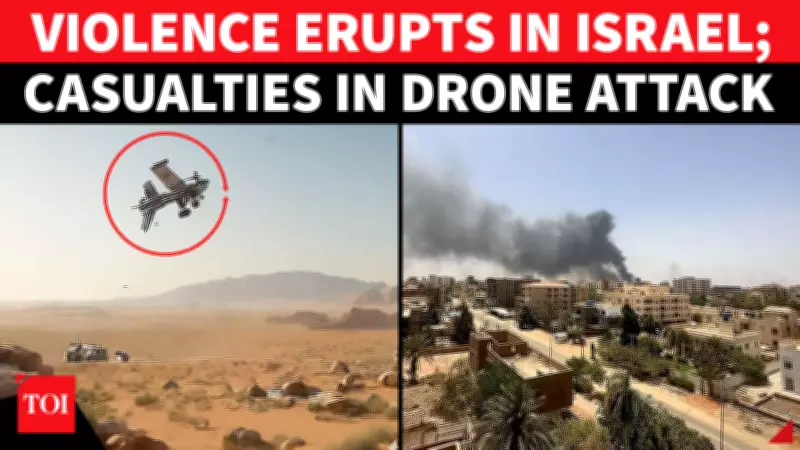
Drone Attack and Intense Gunfight Rock Northern Israeli Town of Kafr Kanna
Violence erupted in the northern Israeli town of Kafr Kanna late Friday night, as a long-running family feud escalated dramatically into a dangerous confrontation involving a drone attack and sustained gunfire. The incident left several people injured, caused significant property damage, and sent terrified residents scrambling for shelter as shots echoed through the residential streets.
Escalation of a Familial Conflict
According to local reports, the violent clash stemmed from an ongoing dispute between the Awawdeh and Taha families, two prominent clans within the Arab community of Kafr Kanna. Tensions that had been simmering for an extended period boiled over, transforming a personal conflict into a public security crisis. The use of a drone during the altercation marks a concerning evolution in the nature of such local disputes, introducing a new level of technological threat to civilian areas.
Witnesses described a scene of chaos and fear as the drone strike targeted a house, followed immediately by intense exchanges of gunfire between the involved parties. The attack damaged multiple homes in the vicinity, with debris and bullet casings littering the neighborhood. Emergency services were quickly dispatched to the scene to attend to the wounded, though the exact number and severity of injuries have not been fully disclosed by authorities.

Community Response and Truce Efforts
In the aftermath of the violence, local community leaders and elders moved swiftly to intervene and prevent further bloodshed. Recognizing the potential for the conflict to spiral out of control, they initiated efforts to broker an immediate truce between the Awawdeh and Taha families. These negotiations are centered on achieving a traditional reconciliation, a customary practice in Arab societies aimed at resolving disputes through mediation and agreed-upon terms to restore peace.
The rapid response by community figures underscores the critical role of local governance in maintaining order, especially in areas where state security forces may face challenges in immediate intervention. The leaders are urging both families to cease hostilities and engage in dialogue to address the root causes of their feud, emphasizing the safety and well-being of all residents in Kafr Kanna.
Broader Security Implications for Arab Towns in Israel
This violent incident in Kafr Kanna casts a spotlight on the persistent security concerns affecting Arab towns across Israel. While such family feuds are not uncommon, the incorporation of a drone into the conflict represents a dangerous precedent that raises alarms about the accessibility of advanced weaponry in civilian disputes. It highlights ongoing issues related to law enforcement, community safety, and the socio-economic tensions that sometimes fuel violence in these areas.
Analysts note that events like these can exacerbate existing frustrations within Arab communities regarding resource allocation, policing, and integration. The Israeli government has previously acknowledged the need for enhanced security measures and social programs in Arab localities to prevent such outbreaks of violence and ensure equal protection for all citizens.
As the situation in Kafr Kanna remains tense, residents are hopeful that the traditional reconciliation process will succeed in halting the violence. However, the incident serves as a stark reminder of the fragile peace in many communities and the urgent need for comprehensive strategies to address underlying conflicts and improve security infrastructure in Arab towns throughout Israel.