Grandiose Peace Plans for Gaza Face Stark Reality on the Ground
While the active phase of the war in Gaza has concluded, the region is far from being considered safe or stable. The cessation of large-scale hostilities has not translated into security for the Palestinian population, who continue to live under the threat of violence and uncertainty.
Ceasefire Fails to Ensure Safety as Casualties Mount
Even under the current ceasefire agreement, Israeli military strikes have resulted in the deaths of approximately 600 Palestinians in Gaza, according to reports from local health officials. This alarming figure underscores the fragile nature of the truce and the ongoing dangers faced by residents.
The data provided by Gaza's health authorities does not differentiate between combatants and civilians, making it challenging to ascertain the exact impact on non-combatant populations. However, the sheer number of fatalities highlights a significant humanitarian concern that persists despite international calls for peace and reconstruction.

International Peace Initiatives Versus On-Ground Realities
Amidst this backdrop, various grandiose peace plans and diplomatic initiatives have been proposed by global actors aiming to resolve the long-standing conflict. These plans often envision comprehensive solutions, including economic development, political agreements, and security arrangements.
Yet, the reality in Gaza paints a different picture. The continuous loss of life and the pervasive sense of insecurity demonstrate a stark disconnect between high-level diplomatic efforts and the daily experiences of Gazans. The gap between ambitious peace proposals and the harsh conditions on the ground remains a critical obstacle to achieving lasting stability.
Challenges in Post-War Recovery and Future Prospects
The situation in Gaza raises important questions about the effectiveness of current ceasefire mechanisms and the path forward for post-war recovery. Key challenges include:
- Humanitarian Crisis: Ongoing violence exacerbates existing shortages of medical supplies, food, and clean water.
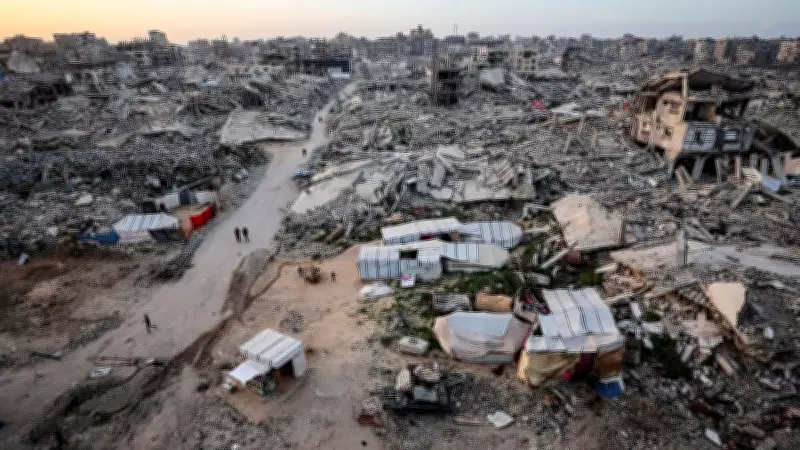
- Infrastructure Damage: Widespread destruction from the war hampers rebuilding efforts and economic revival.
- Political Stalemate: Deep-seated political divisions between Israeli and Palestinian leadership complicate peace negotiations.
- International Involvement: The role of external actors in mediating and supporting sustainable solutions remains contentious.
As international attention shifts towards long-term peacebuilding, the immediate need to address the safety and well-being of Gaza's population cannot be overlooked. The clash between visionary peace plans and the grim reality of continued casualties calls for a reassessment of strategies to ensure that ceasefires translate into genuine security and progress for all affected communities.