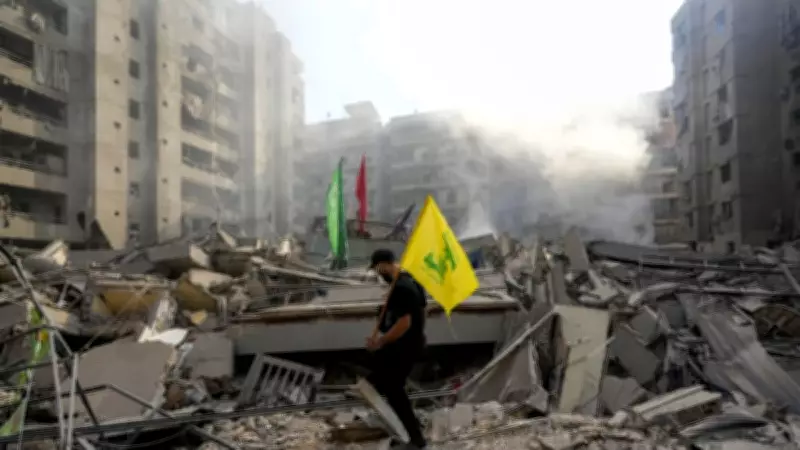
Hezbollah Claims Attack on Israeli Base, IDF Retaliates with Airstrikes on Beirut
In a major escalation of hostilities along the Israel-Lebanon border, the militant group Hezbollah has claimed responsibility for an attack on an Israeli military base. The Israeli Defense Forces (IDF) responded swiftly with airstrikes targeting the Lebanese capital of Beirut, marking a significant intensification of cross-border tensions that have been simmering for months.
Details of the Hezbollah Attack
Hezbollah, a Lebanon-based Shiite political and military organization, announced that it launched the assault on the Israeli base in the early hours of the morning. The attack involved the use of rockets and drones, targeting strategic military installations in northern Israel. According to initial reports, the base sustained moderate damage, but there were no immediate reports of casualties on the Israeli side. Hezbollah stated that the operation was in retaliation for recent Israeli airstrikes in southern Lebanon, which they claim have killed civilians and damaged infrastructure.
IDF Retaliation and Airstrikes on Beirut
In response to the Hezbollah attack, the IDF conducted a series of airstrikes on Beirut, focusing on areas believed to be associated with Hezbollah's military operations. The strikes targeted warehouses and command centers in the southern suburbs of the city, which are known strongholds of the group. Lebanese authorities reported several explosions and fires in the affected areas, with emergency services rushing to the scene. Casualty figures are still being assessed, but early indications suggest there may be injuries and possibly fatalities among Hezbollah members and civilians caught in the crossfire.

The IDF issued a statement confirming the airstrikes, emphasizing that they were a direct response to the Hezbollah attack and part of ongoing efforts to deter further aggression. "We will not tolerate threats to our sovereignty and will take all necessary measures to protect Israeli citizens," an IDF spokesperson said. The airstrikes represent one of the most significant military actions against Beirut in recent years, raising concerns about a broader conflict in the region.
Regional and International Reactions
The escalation has drawn immediate reactions from regional and international actors. The United Nations expressed deep concern over the violence, calling for restraint and a return to dialogue to prevent further deterioration. Neighboring countries, including Syria and Iran, which support Hezbollah, condemned the Israeli airstrikes as an act of aggression. Meanwhile, the United States reiterated its support for Israel's right to self-defense while urging both sides to de-escalate tensions to avoid a wider war.
Analysts warn that this incident could signal a dangerous new phase in the Israel-Hezbollah conflict, which has seen periodic flare-ups but has largely remained contained since the 2006 war. The targeting of Beirut, a major urban center, underscores the potential for civilian harm and regional instability. Diplomatic efforts are underway to mediate a ceasefire, but with both sides vowing to respond forcefully to any provocation, the situation remains volatile.
Background and Context
Hezbollah and Israel have a long history of conflict, with Hezbollah emerging as a key player in Lebanon's political landscape and a formidable military force backed by Iran. Tensions have been high in recent months due to Israeli operations against Hezbollah positions in southern Lebanon and Hezbollah's continued rocket attacks on northern Israel. This latest exchange marks a significant uptick in violence, with the attack on the Israeli base being one of the most direct assaults claimed by Hezbollah in recent times.
The IDF's decision to strike Beirut reflects a strategic shift, as previous responses have typically been limited to border areas. This move could be aimed at degrading Hezbollah's capabilities and sending a strong message about Israel's willingness to escalate if threatened. However, it also risks drawing in other regional actors and exacerbating humanitarian concerns in Lebanon, which is already grappling with economic and political crises.

As the situation unfolds, residents on both sides of the border are bracing for potential further violence. Air raid sirens sounded in northern Israel following the Hezbollah attack, and in Beirut, many are seeking shelter amid fears of additional airstrikes. The international community is closely monitoring developments, with calls for urgent diplomatic intervention to prevent a full-scale conflict.