

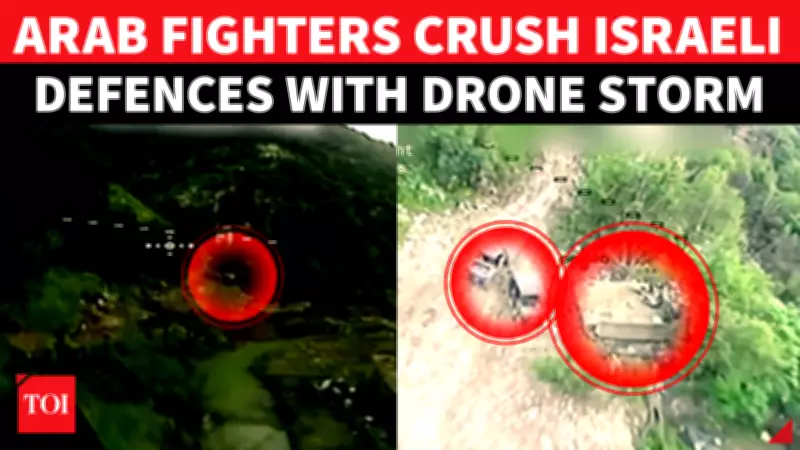
On Israel's northern frontier, battlefield dynamics have shifted as Hezbollah continues to deploy first-person view (FPV) attack drones that have penetrated Israeli defenses, sometimes slipping over border fortifications undetected and striking military targets. These small, hard-to-detect UAVs have challenged the Iron Dome and other systems, showing how asymmetric drone warfare is complicating ceasefire efforts and prompting new tactical responses from the Israel Defense Forces.
The use of FPV drones has become a significant tactical development in the ongoing conflict along the Israel-Lebanon border. Hezbollah's ability to bypass sophisticated air defense systems marks a new phase in the war, raising concerns about the vulnerability of border communities and military installations.
Impact on Ceasefire Efforts
The drone incursions have undermined attempts to negotiate a ceasefire, as each side accuses the other of violating terms. International mediators face challenges in addressing this new form of warfare, which blurs the line between conventional and guerrilla tactics.

IDT's Tactical Response
The IDF has been forced to adapt, deploying electronic warfare systems and increasing patrols to detect and neutralize low-flying drones. However, the small size and agility of FPV drones make them difficult to intercept. Reports indicate that some drones have exploded inside Israeli border towns, causing casualties and damage.
This development underscores the broader trend of drone warfare reshaping modern conflicts, where non-state actors leverage affordable technology to counter advanced military forces. The situation remains tense, with both sides preparing for further escalation.






