

Houthi Rebels Announce Coordinated Strike on Israeli Port with Iranian and Hezbollah Support
In a significant escalation of regional hostilities, Yemen's Houthi rebel group has publicly claimed responsibility for a joint military operation conducted in collaboration with Iran and the Lebanese militant organization Hezbollah. The declared target of this coordinated attack was the strategic Israeli port city of Eilat, located on the northern tip of the Red Sea.
Details of the Claimed Attack
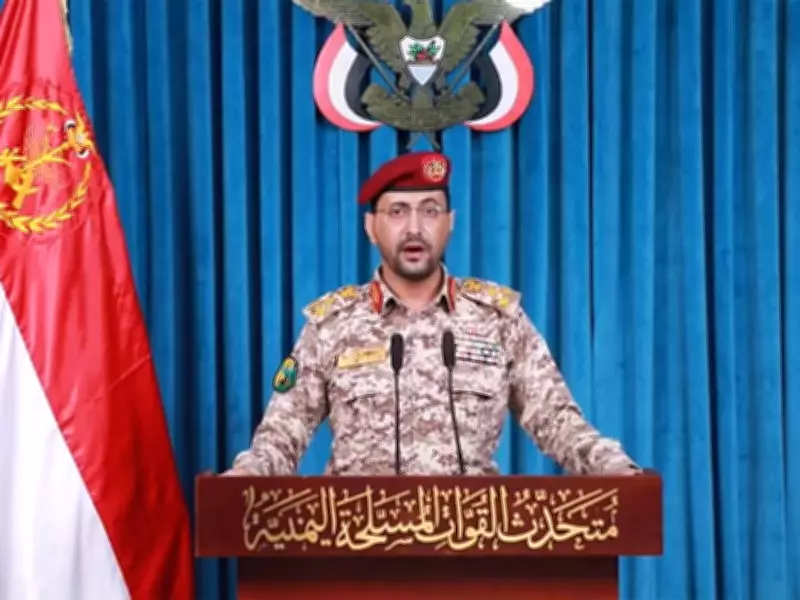
The Houthi military spokesperson released an official statement confirming the operation, which they described as a precise strike. While specific details regarding the weaponry used or the exact time of the incident remain unverified by independent sources, the claim underscores the deepening military cooperation between these anti-Israel factions. Eilat is a vital economic and tourism hub for Israel, and any threat to its security is treated with utmost seriousness by the Israeli defense establishment.
Regional Implications and Responses
This announcement intensifies the already volatile security situation in the Middle East. The alleged involvement of Iran and Hezbollah points to a broader axis of resistance against Israel, extending the conflict beyond Israel's immediate borders. Israeli authorities have not immediately commented on the specific claim, but the country maintains a high state of alert against threats from multiple fronts. Analysts suggest this event could prompt further Israeli military assessments and potential retaliatory measures, depending on verification of the strike's impact.

The geopolitical ramifications are profound, as such cooperation signals a more unified front among Iran-backed groups across the region. It also raises concerns about the potential for miscalculation and a wider regional conflict, drawing in other state and non-state actors.
Background of the Conflict
The Houthis, formally known as Ansar Allah, have been engaged in a prolonged civil war in Yemen against a Saudi-led coalition. They have repeatedly declared their support for the Palestinian cause and have launched missiles and drones toward Israel in the past, though many have been intercepted. Iran provides significant financial, political, and military support to both the Houthis and Hezbollah, cementing its influence in what is often termed the "Axis of Resistance."
This latest claim, if substantiated, represents a notable evolution in tactics, showcasing a willingness to conduct openly declared joint operations across considerable geographical distances. The international community, including the United Nations and major powers, is likely to monitor the situation closely, given its potential to disrupt maritime security in the Red Sea and escalate existing tensions.






