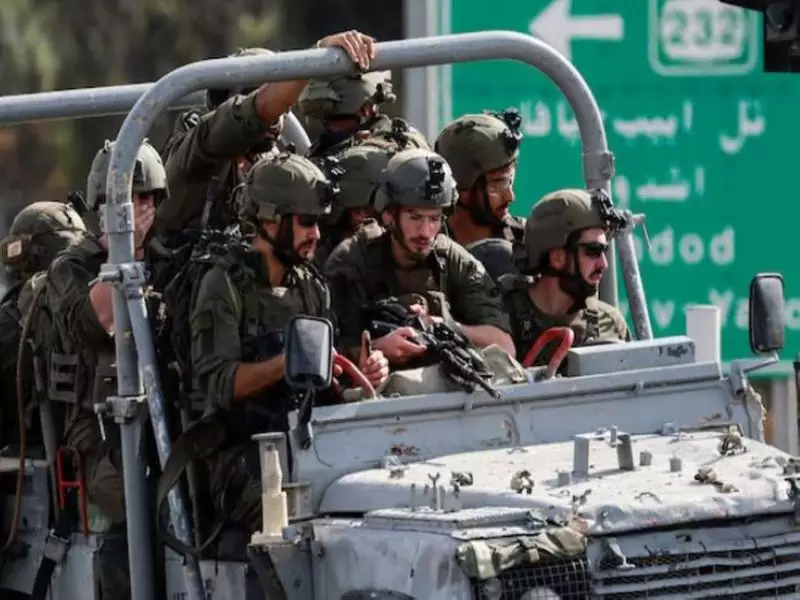
Israeli Military Strikes Hezbollah Weapon Sites in Southern Lebanon
The Israeli Defense Forces launched targeted strikes on several weapon storage facilities operated by Hezbollah in southern Lebanon. This military action marks a significant escalation in the ongoing tensions between Israel and the Lebanese militant group.
Details of the Strikes
According to reports, the IDF conducted precise attacks on multiple locations believed to house Hezbollah's weaponry. These facilities were situated in the southern region of Lebanon, close to the Israeli border. The strikes aimed to degrade Hezbollah's military capabilities and prevent potential threats to Israeli security.
Israeli officials stated that the operation targeted storage sites containing various types of arms and ammunition. The IDF emphasized that the strikes were defensive measures in response to perceived threats from Hezbollah. No immediate reports of casualties have been confirmed, but the situation remains fluid as assessments continue.

Regional Implications
This development heightens concerns about stability in the Middle East. Hezbollah, a powerful Shiite group backed by Iran, has long been a key player in Lebanese politics and a frequent adversary of Israel. The strikes could provoke retaliatory actions, potentially leading to broader conflict in the region.
Local residents in southern Lebanon reported hearing explosions and seeing smoke rising from the targeted areas. Lebanese authorities have not issued an official statement yet, but sources indicate they are monitoring the situation closely. The international community is watching with apprehension, urging restraint from all parties involved.
Background Context
Hezbollah and Israel have a history of hostilities, including the 2006 war that caused widespread destruction in Lebanon. Recent months have seen increased skirmishes along the border, with both sides exchanging fire sporadically. The IDF's latest strikes represent a more aggressive posture, possibly in anticipation of future confrontations.
Analysts suggest that these actions are part of Israel's broader strategy to counter Iranian influence in the region. By targeting Hezbollah's infrastructure, Israel aims to weaken a key proxy of Iran. However, such moves carry risks of escalating into a larger conflict, affecting not just Lebanon and Israel but neighboring countries as well.
The situation underscores the fragile security dynamics in the Middle East. As tensions simmer, diplomatic efforts to de-escalate may face challenges. Observers note that further military engagements could have serious humanitarian and economic consequences for the already volatile area.