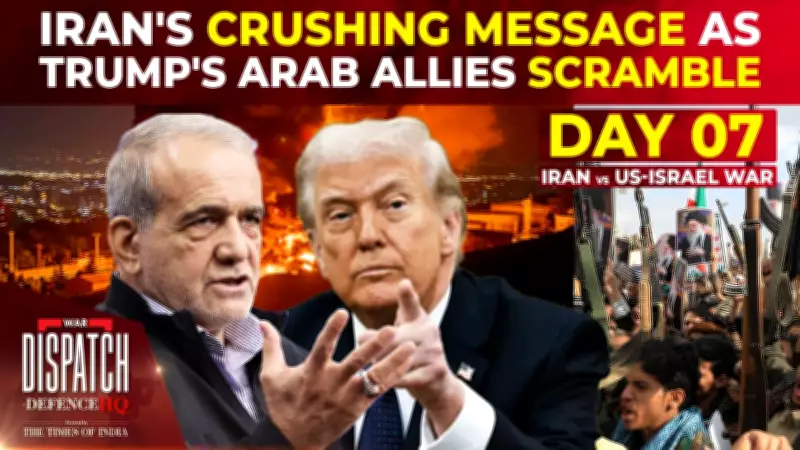
Iran-Israel Conflict Enters Critical Seventh Day as Mediation Efforts Emerge
The ongoing military confrontation between Iran, the United States, and Israel has now entered its seventh consecutive day, with hostilities showing no indication of de-escalation. The conflict, which began with joint American and Israeli strikes on Iranian targets, has evolved into a rapidly intensifying regional crisis.
Diplomatic Overtures Amidst Continuing Violence
In a significant development, Iranian President Masoud Pezeshkian has disclosed that multiple countries have quietly commenced mediation efforts aimed at brokering a ceasefire. While President Pezeshkian refrained from identifying these nations explicitly, regional powers including Qatar, Turkey, Egypt, and Oman have all publicly offered to facilitate negotiations since the outbreak of hostilities.
Tehran has established a clear precondition for any diplomatic resolution, insisting that mediation must directly address the actions of those parties it accuses of "igniting the conflict"—a clear reference to the United States and Israel. This stance complicates the nascent peace efforts, as it demands accountability from the initiating forces.

Battlefield Escalation and Military Strategy
On the ground, the war has reached a new level of ferocity. Israeli military forces have initiated what officials describe as a "new phase" of their campaign, conducting sustained aerial bombardments targeting the Iranian capital of Tehran. These strikes represent a significant escalation in both scope and intensity.
Simultaneously, the United States has deployed advanced B-2 stealth bombers in theater operations. These aircraft have been utilized to deliver specialized bunker-busting penetrator bombs designed to destroy Iran's extensive network of underground missile facilities and hardened military installations.
The human cost of this conflict continues to mount dramatically. Official reports now indicate the death toll within Iran has surpassed 1,200 casualties, a figure that underscores the devastating impact of the sustained aerial campaign on civilian and military infrastructure alike.
Iranian Retaliation and Regional Fallout
In response to these attacks, Iran has vowed severe retaliation and has already launched coordinated missile and drone strikes across the Middle East. These offensive operations have triggered widespread air defense alerts and emergency protocols from Tel Aviv through Saudi Arabia, the United Arab Emirates, and other Gulf Cooperation Council nations.
The regional security situation remains extremely volatile, with the potential for further escalation as Iranian forces continue their retaliatory campaign against perceived American and Israeli interests throughout the area.
Political Developments Within Iran
Amidst the external conflict, notable political developments are unfolding within Iran's leadership structure. Mojtaba Khamenei, son of Supreme Leader Ayatollah Ali Khamenei, is increasingly emerging as a prominent figure and potential successor within the country's complex political hierarchy.
This internal political maneuvering occurs against the backdrop of a nation at war, suggesting that Tehran is simultaneously managing both external military pressures and internal succession planning during this period of extreme national crisis.
The international community watches with growing concern as this multi-faceted conflict enters its second week, with diplomatic efforts struggling to gain traction against the momentum of military escalation and entrenched political positions on all sides.