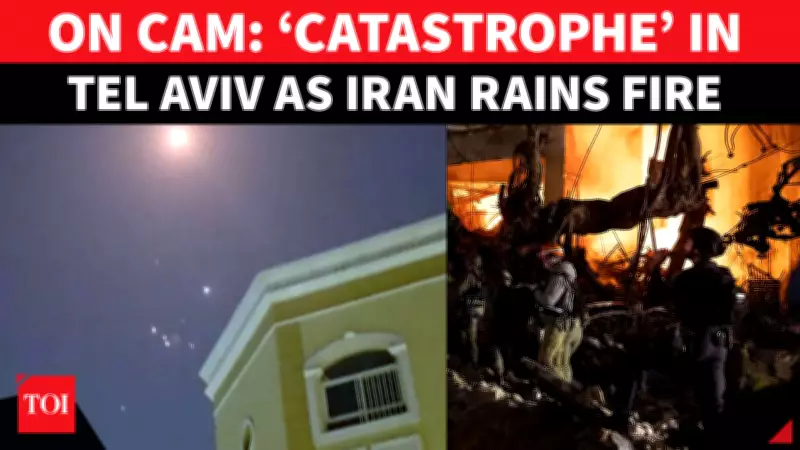
Iranian Missile Strikes Cause Significant Damage in Tel Aviv, Threaten Further Escalation
In a significant escalation of regional tensions, Iranian missile strikes have damaged at least 40 buildings in Tel Aviv, according to reports from Israeli daily Haaretz citing municipal authorities. The attacks have prompted the evacuation of more than 200 residents as safety measures are implemented across the city.
Details of the Attack and Immediate Aftermath
Israeli officials confirmed that the strikes resulted in structural damage to numerous buildings, though notably, no direct impacts in residential areas have been verified at this time. The IDF Home Front Command has cleared most civilians to leave bomb shelters, but authorities are urging them to remain nearby due to the ongoing threat of further hostilities.
This military action is part of Iran's retaliatory measures following the death of Supreme Leader Ayatollah Ali Khamenei, who was killed in a joint US-Israeli airstrike on his Tehran office over the weekend. Iran has officially confirmed his death, declared a period of 40 days of national mourning, and established a governing council to manage state affairs during this transitional period.

Iran's Stance and Broader Context
Tehran has made it unequivocally clear that this is not the conclusion of their response. Iranian officials have indicated that more substantial strikes may be forthcoming, signaling a potential for broader conflict in the region. The situation remains fluid, with international observers closely monitoring developments.
The missile attacks on Tel Aviv represent a direct challenge to Israeli defenses and highlight the volatile nature of current Middle Eastern geopolitics. As Iran mourns its leader, the prospect of additional military engagements looms large, raising concerns about regional stability and the potential for wider international involvement.