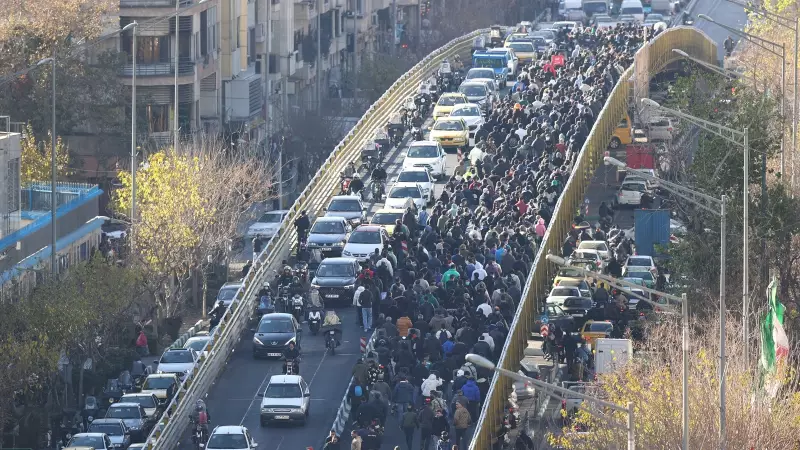
Iran has been rocked by a wave of violent protests, with dozens reported killed as public anger over skyrocketing inflation and severe economic hardship boiled over into the streets. The unrest, which began in the southeastern province of Sistan and Baluchestan, has spread to multiple cities, marking one of the most significant challenges to authorities in recent months.
Origins of the Unrest in Sistan and Baluchestan
The flashpoint for the latest turmoil was the city of Zahedan, the provincial capital. Protests erupted after reports surfaced of a dramatic surge in the prices of basic food staples, particularly eggs and poultry. The Sistan and Baluchestan region, home to a predominantly Sunni Muslim Baluch minority, has long been one of Iran's poorest provinces, and the sudden price hikes proved to be the final straw for many struggling residents.
According to local reports and human rights groups, the demonstrations quickly turned confrontational. Security forces were deployed in large numbers to disperse the crowds. Official Iranian media confirmed that at least five people were killed during the clashes in Zahedan. However, opposition groups and international observers claim the death toll is significantly higher, with some estimates suggesting dozens may have lost their lives.

A Nationwide Economic Crisis Fuels the Fire
The protests in Zahedan were not an isolated incident but rather a symptom of a deep-rooted national crisis. Iran's economy has been crippled by years of stringent international sanctions, mismanagement, and rampant corruption. The country has been grappling with inflation rates exceeding 50%, a rapidly depreciating currency, and widespread unemployment.
The situation for ordinary Iranians has become increasingly desperate. The cost of living has soared, while purchasing power has plummeted. Basic necessities like bread, cooking oil, and meat have become unaffordable for many families. This pervasive economic despair provided the tinder for the protests to spread beyond Sistan and Baluchestan to other urban centers, where citizens voiced similar grievances against the government's handling of the economy.
Hundreds of protesters have been arrested nationwide as authorities moved swiftly to contain the unrest. Internet disruptions were reported in affected areas, a common tactic used by the government to stifle coordination and limit the flow of information to the outside world.
Government Response and International Reaction
The Iranian government has acknowledged the protests but has largely blamed "foreign enemies" and "counter-revolutionaries" for instigating the violence. Officials have promised to address the economic concerns while maintaining a firm security stance. The head of Iran's judiciary has reportedly ordered an investigation into the deaths in Zahedan, though such probes rarely result in accountability for security forces.
The international community has expressed concern over the violent crackdown. Human rights organizations, including Amnesty International, have called for independent investigations into the killings and for the release of arbitrarily detained protesters. The events have drawn attention to the severe economic pressures facing the Iranian populace and the potential for further instability.
The recent protests underscore the profound challenges facing the Iranian leadership. With inflation showing no signs of abating and the nuclear deal stalled, the economic outlook remains bleak. The spontaneous, economically-driven nature of these demonstrations reveals a deep well of public frustration that could ignite again unless tangible improvements in living standards are achieved. The situation in Sistan and Baluchestan, a region with a history of tension with the central government, adds another layer of complexity to Iran's ongoing domestic strife.