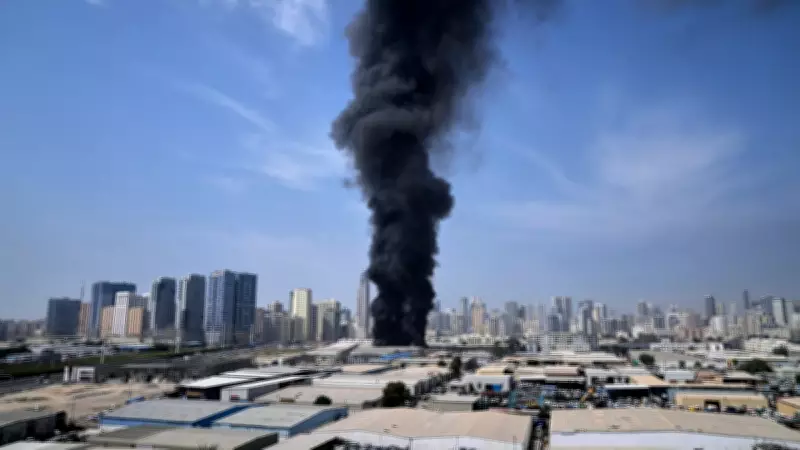
Iran Announces Strikes on US Military Installations in Gulf Region
In a significant escalation of regional tensions, Iran has declared that it conducted strikes on multiple United States air bases and military sites across the Gulf area. The announcement, made by Iranian officials, marks a direct confrontation in the ongoing geopolitical strife, with Tehran asserting its military capabilities against American forces stationed in the region.
Full List of Targeted Locations Released by Iran
According to the latest updates from Iranian state media, the strikes were aimed at a comprehensive list of US installations. The targeted sites include:
- Al Udeid Air Base in Qatar, a critical hub for US Central Command operations.
- Al Dhafra Air Base in the United Arab Emirates, which hosts American fighter jets and surveillance aircraft.
- Prince Sultan Air Base in Saudi Arabia, a key location for US airpower in the Middle East.
- Camp Arifjan in Kuwait, a major logistics and support base for US troops.
- Naval Support Activity Bahrain, the headquarters of the US Navy's Fifth Fleet.
- Al Asad Air Base in Iraq, previously targeted in past conflicts.
Iran claims that these strikes were carried out using advanced missile systems and drones, demonstrating its ability to project power across the Gulf. The Iranian military stated that the operations were in response to perceived US aggression and support for regional adversaries, though specific triggers were not detailed in the initial reports.

Implications for Regional Security and US-Iran Relations
This development has profound implications for security in the Gulf region, which is already a hotspot for international conflicts. The strikes, if confirmed, represent a bold move by Iran to challenge US military presence, potentially risking a broader confrontation. Analysts warn that such actions could destabilize the area, affecting global oil supplies and maritime trade routes.
US officials have yet to issue a formal response to Iran's claims, but previous incidents have led to heightened military alerts and diplomatic tensions. The targeting of multiple bases suggests a coordinated effort by Iran, possibly aimed at testing US defenses or signaling its readiness for escalation. This comes amid ongoing negotiations over Iran's nuclear program and regional proxy conflicts, adding complexity to an already volatile situation.
Latest Updates and International Reactions
As of the latest reports, there is no independent verification of the extent of damage or casualties from the strikes. International observers are closely monitoring the situation, with calls for restraint from global powers. The United Nations and other diplomatic entities may intervene to prevent further escalation, emphasizing the need for dialogue over military action.
In the broader context, this event underscores the persistent friction between Iran and the US, with both nations engaging in a strategic tug-of-war across the Middle East. The full impact on regional alliances and security dynamics remains to be seen, but it is clear that such strikes could have far-reaching consequences for peace and stability in the Gulf and beyond.