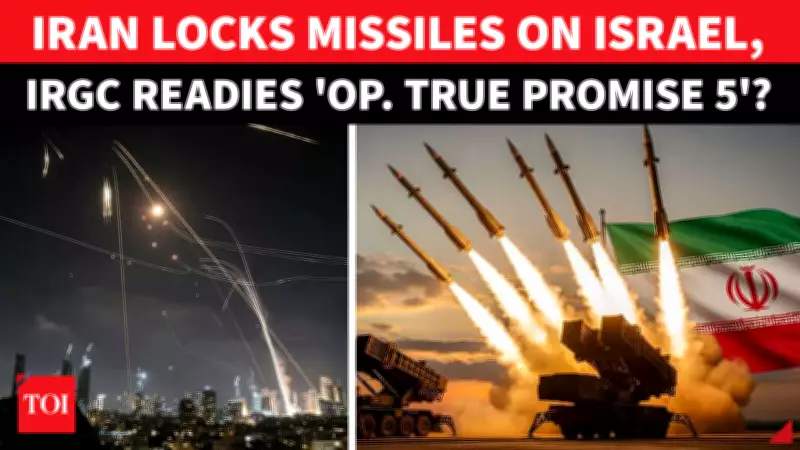
Tensions in the Middle East have escalated sharply after Tehran issued a fresh war warning following Israeli airstrikes on Beirut's southern suburbs. Iran's Chairman of the Parliamentary Committee on National Security vowed a 'firm and painful retaliation' against Israel. Reports in Iranian state-linked media claim that the Islamic Revolutionary Guard Corps (IRGC) Khatam al-Anbia Headquarters has placed 'Operation True Promise 5' on standby, signaling potential military action.
Background of the Conflict
The Israeli airstrikes targeted the Dahiyeh district in Beirut, which Israel said was aimed at Hezbollah command centers. The strikes were in response to rocket fire towards northern Israel. Hezbollah, a Lebanese militant group backed by Iran, has been involved in ongoing cross-border clashes with Israeli forces.
Iran's Response
Iran's parliamentary committee chairman stated that the country would not tolerate attacks on its allies and would respond decisively. The mention of 'Operation True Promise 5' suggests a pre-planned retaliatory operation, though details remain unclear. The IRGC's Khatam al-Anbia Headquarters is responsible for strategic military operations, indicating a high level of preparedness.

Regional Implications
The developments have raised fears of a broader regional conflict. Hezbollah has already launched fresh strikes on Israeli troops near the Lebanese border, and Hamas has issued warnings of more attacks. The United States has shot down Iranian drones over the Hormuz Strait as a Gulf ceasefire teeters. These events underscore the volatile situation in the Middle East.
International Reactions
The international community has called for restraint. The United Nations and several countries have urged de-escalation. However, Iran's强硬 stance and Israel's continued military operations suggest that diplomatic solutions may be difficult to achieve in the near term.