Senior Iranian IRGC Commander Mohammad Pakpour Killed in Israeli Airstrike
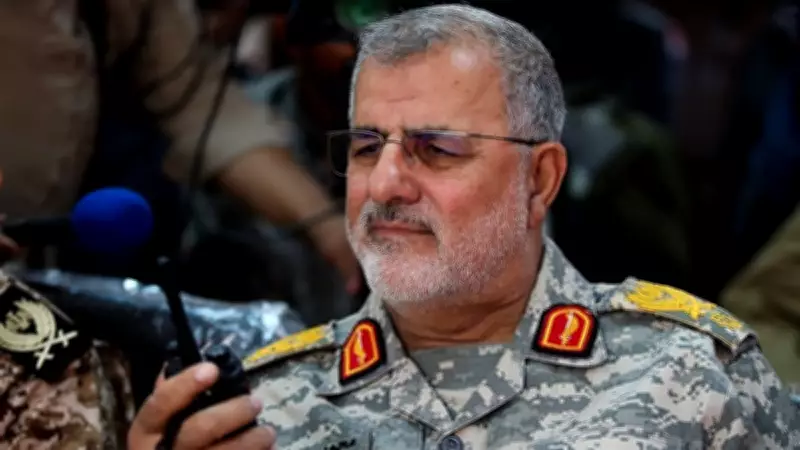
In a significant escalation of regional hostilities, a top commander of Iran's Islamic Revolutionary Guard Corps (IRGC), Mohammad Pakpour, has been killed in an airstrike. The attack, which occurred recently, has been claimed by Israel, according to reports from Iran's state media. This incident marks a critical development in the ongoing conflict between the two nations, raising concerns about further military engagements and geopolitical instability in the Middle East.
Details of the Airstrike and Its Aftermath
The airstrike that resulted in the death of Mohammad Pakpour was reportedly carried out by Israeli forces, though specific details regarding the location and timing remain under investigation. Pakpour, a high-ranking officer within the IRGC, was known for his influential role in Iran's military operations and strategic planning. His demise is expected to have substantial implications for Iran's defense capabilities and regional influence.
Iranian authorities have confirmed the incident through official channels, attributing the attack to Israel. This claim has not been independently verified by international observers, but it aligns with previous patterns of covert operations and targeted strikes in the region. The killing of such a prominent figure is likely to provoke a strong response from Iran, potentially leading to retaliatory measures and heightened tensions.

Background on the Iran-Israel Conflict
The conflict between Iran and Israel has deep historical roots, characterized by proxy wars, cyberattacks, and direct military confrontations. Iran's support for militant groups in neighboring countries and its nuclear ambitions have long been points of contention with Israel, which views Tehran as a primary security threat. Recent years have seen an increase in covert actions, including assassinations and sabotage, as both nations seek to undermine each other's strategic positions.
Mohammad Pakpour's role in the IRGC placed him at the forefront of these tensions. As a commander, he was involved in overseeing operations that extended Iran's influence across the Middle East, often clashing with Israeli interests. His death is seen as a targeted move by Israel to weaken Iran's military leadership and disrupt its activities in the region.
Potential Implications for Regional Stability
The assassination of Mohammad Pakpour could have far-reaching consequences for regional stability. Experts warn that Iran may respond with military strikes or support for proxy attacks against Israeli targets, escalating the conflict into a broader confrontation. This development also risks drawing in other regional powers and international actors, complicating diplomatic efforts to de-escalate tensions.
In the short term, the incident is likely to intensify surveillance and security measures in the area, with both nations on high alert. The international community, including the United Nations and major global powers, may call for restraint and dialogue to prevent further violence. However, given the history of animosity between Iran and Israel, the path to peace remains uncertain.
Conclusion: A Critical Juncture in Middle East Politics
The killing of IRGC commander Mohammad Pakpour in an Israeli airstrike represents a pivotal moment in the ongoing Iran-Israel conflict. As details continue to emerge, the world watches closely to see how Iran will retaliate and what steps will be taken to mitigate the risk of a larger war. This event underscores the volatile nature of Middle East politics and the urgent need for diplomatic interventions to safeguard regional security.