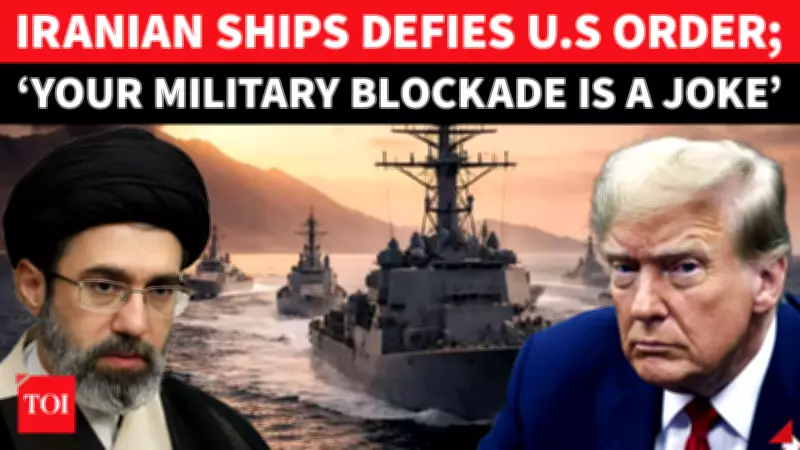
Iranian supertankers have successfully evaded the US naval blockade by navigating through Pakistani waters, according to reports. The development has exposed vulnerabilities in the American strategy to halt Iranian oil exports. Three massive vessels, each capable of carrying millions of barrels of crude, attempted to breach the cordon. While the US Central Command (CENTCOM) claims that an F/A-18 Super Hornet disabled the tanker HASNA with cannon fire after it refused to stop, at least two other tankers appear to have slipped through undetected.
Blockade Runners Prove Effective
The combined capacity of the three supertankers is estimated at 5 million barrels of oil. This successful evasion marks a significant tactical victory for Tehran, which is learning to outmaneuver American carrier strike groups. The use of Pakistani waters as a detour highlights the challenges of enforcing a maritime blockade in a region with complex geopolitical dynamics.
US Response and Implications
The US Navy has yet to confirm the extent of the breach, but the incident raises questions about the effectiveness of the blockade. The disabled tanker HASNA may serve as a deterrent, but the successful passage of two vessels suggests that Iran is adapting its tactics. This could lead to increased tensions in the region, as both sides seek to assert their strategic interests.

Analysts warn that the blockade's failure to stop all tankers could embolden Iran to continue its oil exports, undermining US sanctions. The situation remains fluid, with potential for further confrontations at sea.