

Iranian Warship Torpedoed by US Forces in Indian Ocean, Casualties Mount
In a dramatic escalation of military tensions, an Iranian warship was sunk by the United States Navy in the Indian Ocean earlier this week, leading to the deaths of more than 80 sailors. The incident, which occurred on Wednesday, marks a significant development in the ongoing conflict between Iran and the US, with implications for regional stability.
Details of the Attack and Rescue Efforts
The frigate, identified as IRIS Dena, was struck by a torpedo approximately 19 nautical miles off the southern Sri Lankan port of Galle. According to reports from Iran International, a sailor aboard the vessel had called his father prior to the attack, revealing that American forces had issued two warnings for the crew to abandon ship. Shortly after these warnings, the torpedo hit, causing the ship to sink rapidly.
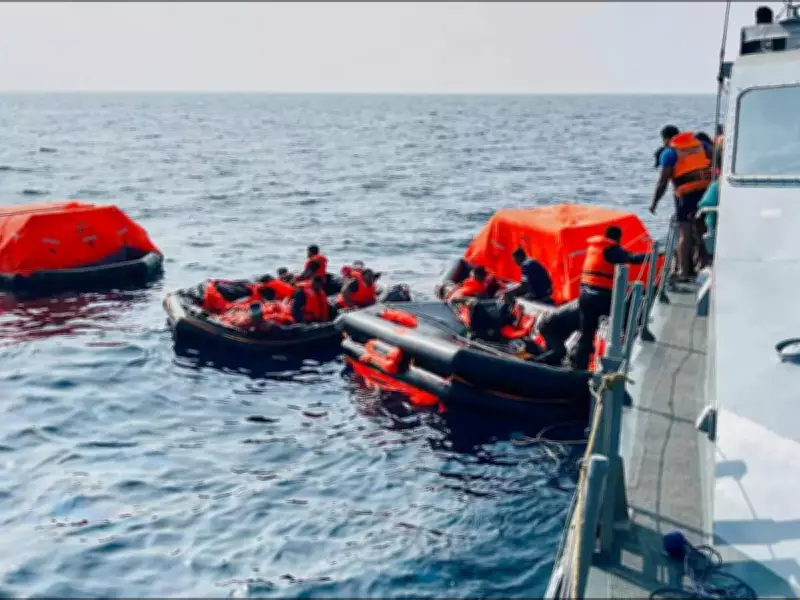
Rescue operations were swiftly initiated, with the Sri Lankan Navy responding to the vessel's distress call. They managed to rescue 32 crew members from the waters, but the majority of the sailors, including the one who had made the call, perished in the incident. This tragic event underscores the human cost of military confrontations in volatile regions.

Historical Context and Broader Conflict
US Defence Secretary Pete Hegseth described the sinking as a "quiet death," noting that this is the first time since World War II that the United States has torpedoed an enemy warship. The IRIS Dena was returning to Iran from India, where it had participated in the MILAN-2026 naval exercise in Visakhapatnam, highlighting the international dimensions of naval activities in the area.
In the aftermath of the attack, Sri Lanka evacuated more than 200 crew members from another Iranian warship, IRIS Bushehr, indicating heightened concerns over further military actions. Meanwhile, a third Iranian frigate, IRIS Lavan, remains docked at Kochi port in India, adding to the complex geopolitical landscape.
Background of US-Iran Hostilities
Iran is currently engaged in military hostilities with the United States and Israel, following joint strikes on the Islamic Republic on February 28 that marked the beginning of the conflict. In response, Tehran has launched attacks on US bases in Gulf states, as well as on civilian infrastructure in these countries and in Israel. This ongoing strife reflects deep-seated tensions that have been simmering for years, with recent events pushing the region closer to a broader confrontation.
The sinking of the IRIS Dena not only represents a significant military loss for Iran but also raises questions about the future of naval operations in the Indian Ocean. As global powers maneuver in this strategic waterway, the risk of further incidents remains high, with potential repercussions for international trade and security.






