Iran's Revolutionary Guard Unleashes Major Escalation in Regional Conflict
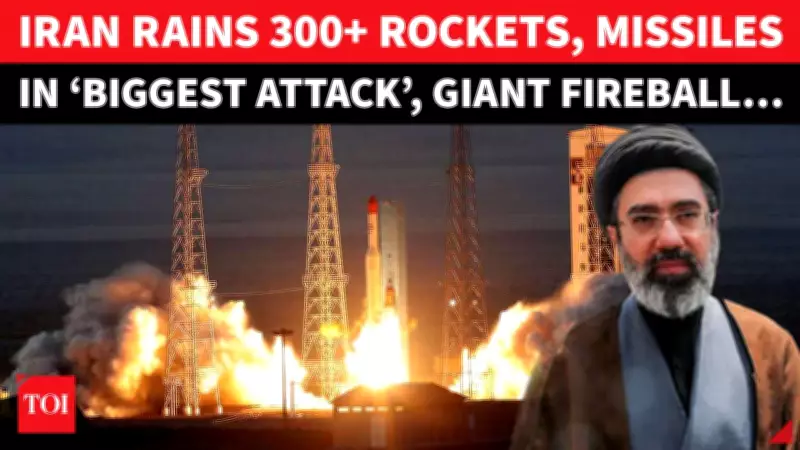
In a significant escalation of hostilities, Iran's Islamic Revolutionary Guard Corps has launched a massive coordinated attack involving more than 300 rockets and missiles targeting both Israel and United States military assets across the Gulf region. This represents the largest single wave of attacks in the ongoing conflict and marks a dangerous new phase in regional tensions.
Unprecedented Scale and Complexity of Attacks
The IRGC has claimed responsibility for what it describes as Wave 89 of its ongoing campaign, involving a sophisticated combination of ballistic missiles, drones, and short-range rockets fired simultaneously from multiple locations. This saturation approach represents a strategic shift designed to overwhelm defense systems and complicate detection and interception efforts by Israeli and American forces.
"The scale and composition of this attack suggest a deliberate move toward saturation tactics," military analysts note. "By launching multiple projectile types simultaneously, Iran is testing the limits of existing defense systems while demonstrating enhanced offensive capabilities."

Expanded Theater of Operations
Unlike previous phases of the conflict that focused primarily on targeted strikes, this latest wave extends across multiple theaters. The IRGC claims its attacks have reached beyond Israeli territory to include US-linked military installations and assets throughout the Gulf region, though these claims remain independently unverified at this time.
The expanded targeting represents a significant escalation in Iran's confrontation with both Israel and the United States, potentially drawing more regional actors into the conflict and increasing the risk of broader regional war.
Strategic Implications and Regional Response
This sustained, high-intensity operation indicates Iran's willingness to engage in prolonged conflict across multiple fronts. The simultaneous use of different weapon systems demonstrates:
- Enhanced coordination between Iran's conventional forces and allied proxy groups
- Improved logistical capabilities for sustained offensive operations
- A strategic shift from limited strikes to comprehensive saturation attacks
- Increased willingness to directly challenge US military presence in the region
Regional powers and international observers are closely monitoring the situation, with concerns growing about potential miscalculations that could trigger wider conflict. The attack comes amid heightened tensions throughout the Middle East and represents the most significant escalation since the current phase of hostilities began.
As defense systems in Israel and at US bases work to intercept incoming projectiles, the international community faces renewed pressure to de-escalate the situation before it spirals into a broader regional confrontation with potentially catastrophic consequences for global stability and security.