Israel-Hezbollah Conflict Intensifies Amid Washington Talks, IDF Commander Wounded
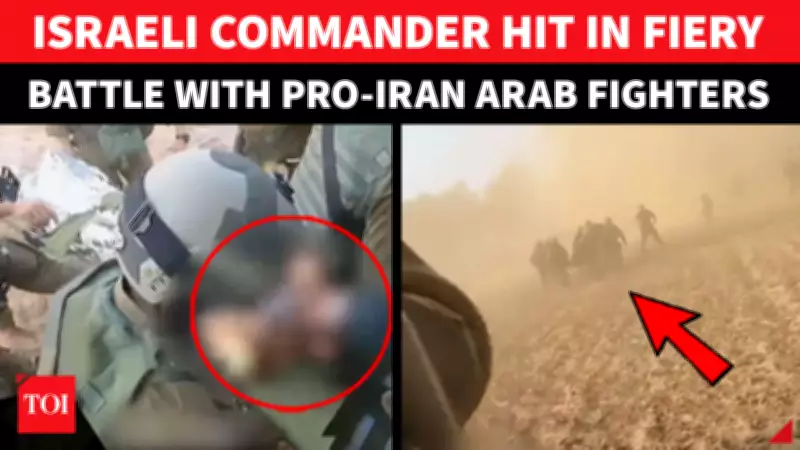
The ongoing conflict between Israeli forces and the Iran-backed Hezbollah militant group has escalated significantly, with intense fighting reported in the southern Lebanese town of Bint Jbeil. According to Israeli media, a lieutenant colonel-ranked officer from the Israel Defense Forces (IDF) sustained injuries during the latest clashes. This incident marks the third consecutive commander from the same military unit to be wounded since the war began on March 2, highlighting the persistent and dangerous nature of the hostilities.
Diplomatic Efforts Amidst Escalating Violence
On the diplomatic front, a rare and potentially groundbreaking development is unfolding in Washington, D.C. Direct talks between Israeli and Lebanese officials are currently underway, facilitated by the United States government. U.S. Secretary of State Marco Rubio has characterized this meeting as a historic opportunity for de-escalation and regional stability. Israeli representatives participating in the discussions have emphasized their nation's long-term security concerns, which remain a central focus of the negotiations.
These diplomatic initiatives are occurring against a backdrop of wider regional tensions, where political and diplomatic efforts are struggling to keep pace with the rapid and often violent developments on the ground. The contrast between the battlefield escalation and the negotiation table underscores the complex and volatile nature of the Israel-Hezbollah conflict.

Context and Regional Implications
The injury of the IDF lieutenant colonel in Bint Jbeil is not an isolated event but part of a concerning pattern within this specific military unit. The fact that this is the third commander from the unit to be injured since the conflict's inception on March 2 points to sustained and heavy combat engagements in the region. This escalation comes as both sides appear to be testing each other's defenses and resolve, with Hezbollah continuing its missile and drone attacks, and Israel responding with targeted military operations.
The Washington talks represent a critical juncture, as direct communication between Israeli and Lebanese officials has been exceedingly rare in recent years. The United States' role as a mediator is pivotal, with Secretary Rubio's involvement signaling a high-level commitment to brokering a ceasefire or at least reducing hostilities. However, the success of these talks is uncertain, given the deep-seated security anxieties expressed by Israel and the complex proxy dynamics involving Iran's support for Hezbollah.
Regional analysts note that the situation remains fluid, with the potential for further escalation if diplomatic efforts falter. The international community is closely monitoring the outcomes of the Washington discussions, hoping for a breakthrough that could pave the way for a more stable security environment in the Middle East.