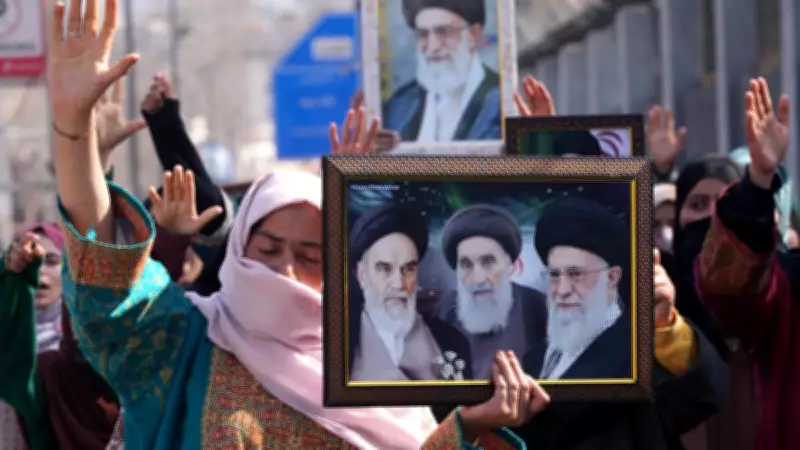
Israel-Iran Conflict Escalates with Fatal Attack on Iranian Leadership
The ongoing conflict between Israel and Iran has taken a dramatic and severe turn with recent reports confirming that a targeted attack has resulted in the deaths of several top Iranian leaders. This incident represents a significant escalation in the long-standing tensions between the two nations, potentially altering the geopolitical landscape of the Middle East. The attack, which occurred amidst heightened regional hostilities, has sparked international concern and raised fears of further retaliation and instability.
Details of the Attack and Casualties
According to the latest updates, the attack specifically targeted high-ranking Iranian officials, leading to a confirmed list of casualties among the leadership ranks. While the exact number and identities of those killed are still being verified by sources, initial reports indicate that the strike was precise and aimed at key figures within Iran's military and political hierarchy. This development follows a series of confrontations and proxy conflicts between Israel and Iran, which have been simmering for years across the region.
The timing and method of the attack suggest a calculated move by Israel, possibly in response to recent provocations or as part of a broader strategy to curb Iranian influence. Iranian authorities have condemned the action, labeling it as an act of aggression and vowing to respond with force. The international community, including major powers, is closely monitoring the situation, with calls for restraint to prevent a full-scale war.

Regional and Global Implications
The killing of top Iranian leaders is expected to have profound implications for regional security and global diplomacy. Iran, a key player in Middle Eastern politics, may face internal turmoil and leadership challenges in the wake of these losses. This could impact its alliances with groups like Hezbollah and its involvement in conflicts in Syria and Yemen. For Israel, the attack underscores its willingness to take direct action against perceived threats, despite the risks of escalation.
Globally, this escalation adds to the existing tensions in a region already plagued by conflicts and economic instability. Countries such as the United States, Russia, and China are likely to be drawn into the fray, either through diplomatic efforts or by taking sides. The incident also raises questions about the effectiveness of international peacekeeping mechanisms and the potential for broader military engagements.
Historical Context and Future Outlook
The Israel-Iran conflict has deep historical roots, dating back to the Iranian Revolution of 1979 and Israel's establishment as a state. Over the decades, hostilities have manifested through cyberattacks, assassinations, and proxy wars, with both nations accusing each other of destabilizing activities. The recent attack marks one of the most direct and lethal confrontations in recent years, highlighting the fragility of the current ceasefire attempts.
Looking ahead, the situation remains highly volatile. Experts warn that further attacks or retaliatory measures could spiral into a larger conflict, affecting oil prices, global trade, and regional stability. Diplomatic channels are being urged to intervene, but with both sides entrenched in their positions, a peaceful resolution seems challenging. The world watches with apprehension as the Israel-Iran conflict enters a new and dangerous phase.