Israel Escalates Military Campaign Against Hezbollah in Lebanon
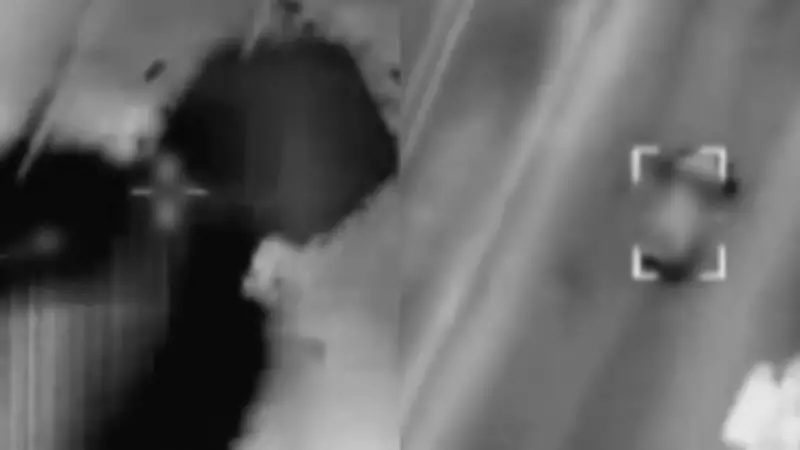
The Israeli Defense Forces (IDF) have released video footage documenting what they describe as an overnight strike targeting Hezbollah operatives within Lebanese territory. This operation marks a significant escalation in the ongoing conflict between Israel and the Iran-backed militant group.
Widespread Strikes Target Hezbollah Infrastructure
In a formal statement, the Israeli military confirmed it had launched another wave of strikes across multiple regions of Lebanon. The primary objectives were Hezbollah sites, including weapons depots and other critical infrastructure. The IDF emphasized that these actions were a direct response to Hezbollah's projectile fire toward Israeli territory earlier in the day.
Lebanon's health ministry reported on Monday that the attacks resulted in at least 31 fatalities and 149 individuals wounded. According to the ministry, nearly two-thirds of those killed were located in southern Lebanon, as cited by the Associated Press.

IDF Chief Announces "Offensive Campaign"
IDF Chief of Staff Lt Gen Eyal Zamir declared that the military has commenced an "offensive campaign" against Hezbollah, which is anticipated to persist for several days. Speaking during a security assessment following overnight rocket and drone attacks on Israel, Zamir stated, "We have begun an offensive campaign against Hezbollah. We are not just on the defensive, now we go on the offense," as reported by the Times of Israel.
He further elaborated, "We need to prepare for several days of fighting, many. We need strong defensive readiness and continuous offensive preparedness, in waves." This statement underscores a strategic shift from reactive defense to proactive military engagement.
Evacuation Warnings and Beirut Strikes
The Israeli military issued evacuation warnings to residents of approximately 50 towns and villages in Lebanon, citing imminent strikes on Hezbollah positions. This precautionary measure highlights the expected intensity and scope of the ongoing operations.
Residents in Beirut were awakened by explosions around 3 am local time as Israeli strikes targeted the city's southern outskirts. The attacks focused on Dahiya, a densely populated commercial and residential district widely considered a Hezbollah stronghold.
Strikes near the Lebanese capital have been rare since the November 2024 ceasefire that formally ended previous fighting with Hezbollah. While Israel has maintained periodic strikes in southern and eastern Lebanon under the truce, this expansion to Beirut represents a notable escalation.
Regional Tensions and Political Reactions
The exchange of fire between Israel and Hezbollah on Monday occurred amid heightened regional tensions. Lebanese President Joseph Aoun expressed concern that the rocket attacks on Israel were undermining his government's efforts to keep Lebanon out of a wider regional conflict.
This development follows reports of Iranian state media claiming a US fighter jet was downed in Kuwait, along with explosions in Bahrain, Dubai, and Doha. Additionally, India's Ministry of Home Affairs has alerted states as Middle East tensions soar, with internet restrictions and tightened security measures implemented in Kashmir.
The situation remains fluid, with Gulf nations reportedly vowing to defend themselves against potential threats. The international community watches closely as this offensive campaign unfolds, with implications for regional stability and security dynamics across the Middle East.