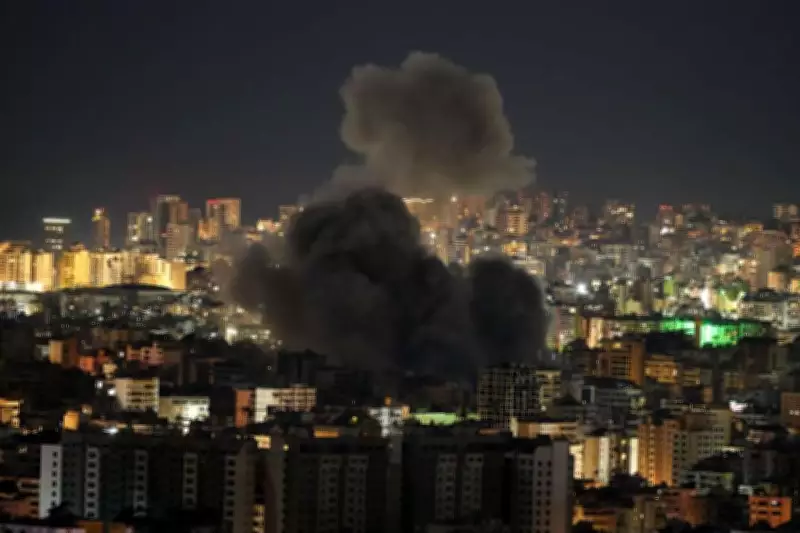
Israel Launches Airstrikes on Palestinian Refugee Camp in Lebanon, Resulting in Three Deaths in Beirut
In a significant escalation of regional hostilities, Israel conducted airstrikes targeting a Palestinian refugee camp located in Lebanon, leading to the tragic deaths of three individuals in the capital city of Beirut. The attack, which occurred on March 5, 2026, has intensified tensions in the Middle East, drawing immediate condemnation from various international quarters.
Details of the Airstrike and Casualties
The Israeli military operation focused on the refugee camp, which houses Palestinian refugees and their descendants. According to preliminary reports, the strikes resulted in three fatalities in Beirut, with several others sustaining injuries. The exact nature of the targets within the camp remains under investigation, but sources indicate that the attack was part of a broader strategy to counter perceived threats from militant groups operating in the region.
Eyewitness accounts from the scene describe chaos and devastation, with rescue teams working tirelessly to extract victims from the rubble. Local authorities have confirmed the death toll and are assessing the extent of the damage to infrastructure, including residential buildings and community facilities within the camp.

Regional and International Reactions
The airstrikes have sparked widespread outrage across Lebanon and the broader Arab world. Lebanese officials have denounced the attack as a violation of sovereignty and an act of aggression, calling for an emergency session of the United Nations Security Council to address the situation. Palestinian leaders have also expressed grief and anger, emphasizing the vulnerability of refugee populations in conflict zones.
International responses have been mixed, with some nations urging restraint and dialogue to prevent further escalation. The United States, a key ally of Israel, has stated it is monitoring the situation closely and advocating for de-escalation, while other global powers have issued statements condemning the violence and calling for a ceasefire.
Background and Context of the Conflict
This incident occurs against a backdrop of longstanding tensions between Israel and Palestinian factions, as well as periodic clashes along the Israel-Lebanon border. The refugee camp in question has historically been a flashpoint in the region, often cited in discussions about the Israeli-Palestinian conflict and the broader geopolitical dynamics of the Middle East.
- Historical Context: Palestinian refugee camps in Lebanon have existed since the 1948 Arab-Israeli war, with many residents displaced from their ancestral homes.
- Recent Escalations: In recent years, there have been sporadic exchanges of fire between Israeli forces and groups based in Lebanon, raising concerns about a potential wider conflict.
- Humanitarian Concerns: The attack highlights the precarious situation of refugees, who often bear the brunt of military actions in conflict-affected areas.
Implications for Regional Stability
The airstrikes are likely to exacerbate existing tensions and could lead to retaliatory measures from militant groups in Lebanon. Analysts warn that such incidents risk drawing neighboring countries into the conflict, potentially destabilizing the entire region. The international community is closely watching for any signs of further military engagements or diplomatic efforts to mediate the crisis.
As investigations continue, the focus remains on the victims and their families, with calls for accountability and justice. The event underscores the urgent need for peaceful resolutions to longstanding conflicts in the Middle East, emphasizing the human cost of ongoing hostilities.