Israeli Military Strike Targets Iranian State Broadcaster in Tehran
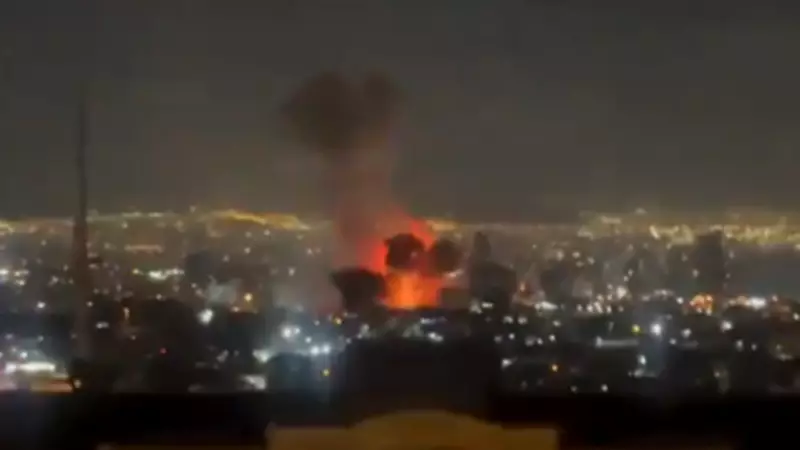
An Israeli military strike hit the headquarters of Iran's state broadcaster in Tehran on Sunday night, causing a significant fire and intensifying the ongoing conflict between the two nations. The attack occurred following the recent killing of Iran's Supreme Leader Ali Khamenei, which has dramatically escalated regional hostilities.
Confirmation of the Attack on Islamic Republic of Iran Broadcasting
Iranian state television officially confirmed that sections of the Islamic Republic of Iran Broadcasting (IRIB) complex sustained damage from the strike. Despite the direct hit, the broadcaster insisted that it remained operational and continued its transmissions without interruption. This represents the second time IRIB has been targeted, with previous attacks occurring during the 12-day war between Israel and Iran in June 2025.
During that earlier conflict, explosions disrupted a live news broadcast and partially collapsed a studio ceiling, forcing presenter Sahar Emami to evacuate the premises hastily. The latest strike has reignited concerns about media infrastructure vulnerability during military confrontations.

Visual Evidence and Social Media Reports
Video footage released by Iranian news agencies clearly showed thick smoke rising above northern Tehran, where numerous government buildings are concentrated. Initial reports circulating on social media platforms earlier in the day had suggested the broadcaster was struck, but these claims were officially denied until confirmation came on Sunday evening.
The Israeli military strike forms part of a broader US-Israeli air campaign that has shaken the Iranian capital with repeated explosions. Residents have reported largely deserted streets as people seek shelter indoors, while witnesses described paramilitary Basij forces establishing checkpoints throughout the city.
Additional Targets and Conflicting Reports
Elsewhere in Tehran, the ISNA news agency reported that Gandhi Hospital in the northern part of the city also sustained damage from attacks. Footage published by Fars and Mizan news agencies showed debris scattered across hospital floors among overturned wheelchairs and medical equipment.
The Israeli military stated it had no awareness of strikes targeting the medical facility, while United States officials indicated they were examining the reports to verify their accuracy. This discrepancy highlights the fog of war that often surrounds conflict reporting.
Political Statements and Escalating Rhetoric
Israeli Prime Minister Benjamin Netanyahu announced he had ordered military forces to escalate operations against Iran. Speaking from Tel Aviv after meeting with senior defense officials, Netanyahu declared, "Our forces are now striking at the heart of Tehran with increasing intensity, and this will only continue to escalate further over the coming days."
United States President Donald Trump claimed significant blows against Iran's military capabilities, stating on social media that nine Iranian naval vessels had been destroyed and warning that additional strikes would follow. These statements underscore the coordinated nature of the military campaign against Iran.
Iranian Retaliation and Regional Implications
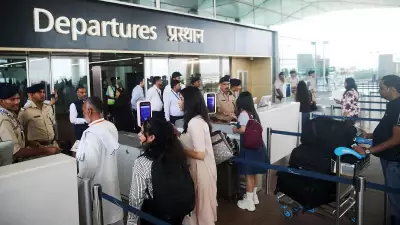
Iran has responded to the attacks with missile and drone strikes against Israeli targets and US-linked facilities throughout the Gulf region. The country has vowed retaliation for Khamenei's killing, with explosions reported in Dubai, Doha, and Manama, including attacks targeting airport infrastructure.
As smoke continued to billow over Tehran's skyline, the prospect of a prolonged regional war appeared more imminent than ever. The United Arab Emirates issued a statement urging Iran to "go back to your senses" following attacks on Dubai, Abu Dhabi, Doha, and Kuwait, reflecting growing international concern about the conflict's expansion.
The situation remains fluid and highly volatile, with both sides demonstrating increased military aggression and political posturing that threatens to draw additional regional actors into the confrontation.