Israeli Military Conducts Strikes on Hezbollah Command Centers in Lebanon
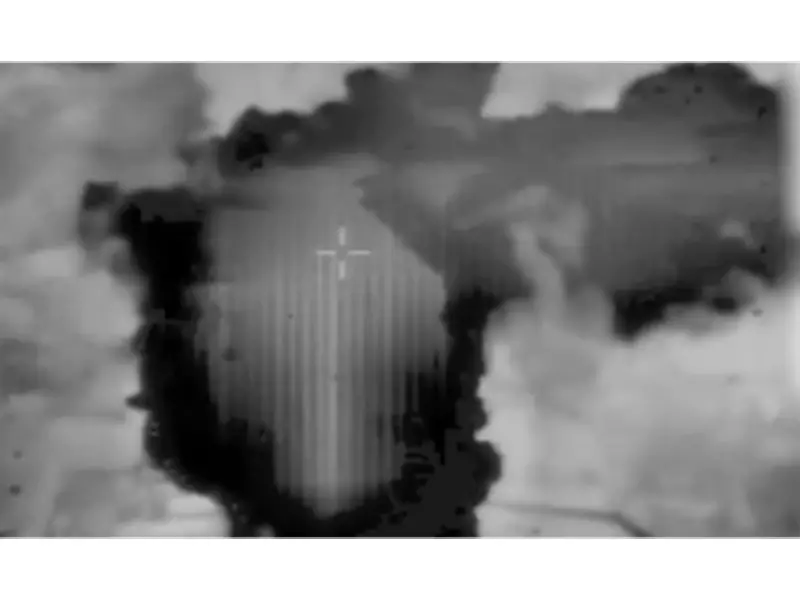
In a significant military operation, Israeli forces launched targeted strikes on Hezbollah command centers located in Lebanon, resulting in the deaths of at least 12 individuals. The attacks, which occurred recently, were aimed at disrupting the militant group's operational capabilities and infrastructure in the region.
Details of the Strikes and Casualties
The Israeli military confirmed that the strikes specifically targeted multiple Hezbollah command centers, which are believed to be key hubs for planning and coordinating militant activities. According to initial reports from local sources and international observers, the strikes led to a minimum of 12 fatalities, with the possibility of additional casualties as rescue and recovery efforts continue. The exact locations of the targeted centers have not been fully disclosed, but they are situated within Lebanese territory, highlighting the cross-border nature of the conflict.
Hezbollah, a Shiite militant group and political party based in Lebanon, has been engaged in periodic clashes with Israeli forces along the border for years. This latest escalation comes amid heightened tensions in the Middle East, with both sides accusing each other of provocations and violations of cease-fire agreements. The strikes are seen as part of Israel's broader strategy to counter threats from militant groups operating in neighboring countries.

Regional Implications and Responses
The incident has sparked concerns about a potential wider conflict in the region. Lebanese officials have condemned the strikes, calling them a violation of sovereignty and an act of aggression. In response, Hezbollah has vowed retaliation, raising fears of further violence and instability. International actors, including the United Nations and various global powers, have urged restraint and called for de-escalation to prevent the situation from spiraling out of control.
Analysts note that such strikes are not uncommon in the ongoing low-intensity conflict between Israel and Hezbollah, but the high casualty count in this instance underscores the severity of the engagement. The operation is likely to have strategic implications, affecting diplomatic relations and security dynamics in the area. It also highlights the persistent challenges in achieving lasting peace and stability in the Middle East, where militant groups and state actors often clash over territorial and ideological disputes.
Background and Context
Hezbollah, which is backed by Iran, has been a significant player in Lebanese politics and a formidable adversary for Israel. The group's military wing has been involved in numerous conflicts, including the 2006 war with Israel, and continues to pose a threat through its rocket arsenals and guerrilla tactics. Israel, for its part, maintains a policy of preemptive strikes against what it perceives as imminent threats from militant organizations.
This latest strike is part of a series of recent military actions in the region, reflecting the volatile security environment. It serves as a reminder of the fragile balance of power and the ongoing risks of escalation. As the situation develops, further updates on casualties, responses from involved parties, and international reactions are expected to emerge.