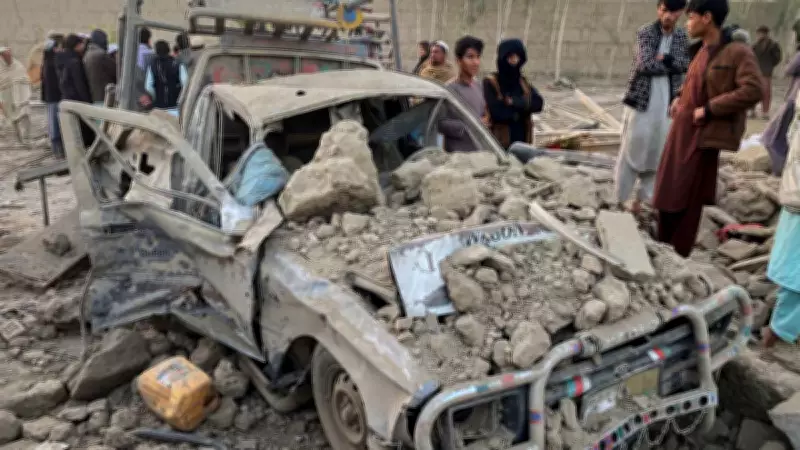
Pakistan Declares Open War Following Taliban Cross-Border Attacks
In a dramatic escalation of regional tensions, Pakistan has officially declared open war against the Taliban after a series of cross-border strikes resulted in the deaths of 55 Pakistani soldiers. This declaration marks a significant shift in Pakistan's military strategy, moving from defensive operations to an all-out offensive against the militant group.
Details of the Cross-Border Strikes
The conflict intensified when Taliban forces launched coordinated cross-border attacks into Pakistani territory. These strikes, which occurred in the volatile border regions, specifically targeted military installations and personnel. According to official reports, the attacks led to the tragic loss of 55 soldiers, with many more injured in the assaults.
The Pakistani government has condemned these actions as a blatant violation of sovereignty and an act of aggression that necessitates a robust response. Military analysts note that the scale of the casualties has forced Pakistan to reconsider its approach, opting for a more aggressive stance to deter future incursions.

Implications of the War Declaration
By declaring open war, Pakistan is signaling its intent to pursue the Taliban across borders if necessary, potentially involving ground offensives and airstrikes. This move could have far-reaching consequences for regional stability, as it may draw in neighboring countries and international actors concerned about the spread of conflict.
The declaration is expected to lead to increased military mobilization and heightened security measures along the border areas. Experts warn that this could exacerbate existing tensions and lead to a prolonged conflict, impacting civilian populations and disrupting trade routes.
Regional and Global Reactions
The international community is closely monitoring the situation, with many countries urging restraint and diplomatic solutions. However, Pakistan's decision reflects a growing frustration with the Taliban's persistent threats and the need to protect its national security interests.
- Increased military deployments along the border
- Potential for cross-border retaliatory strikes
- Impact on regional peace and security initiatives
This development underscores the fragile security environment in South Asia and the challenges of combating militant groups that operate across national boundaries. As Pakistan prepares for a sustained military campaign, the world watches with concern over the potential for further escalation.