Pakistan Military Operations Result in Over 520 Afghan Taliban Casualties
In a significant development along the volatile Pakistan-Afghanistan border, Pakistani security forces have reportedly eliminated more than 520 fighters affiliated with the Afghan Taliban. This announcement was made by Pakistan's Interior Minister, underscoring the intensifying military engagements in the region. The operations are part of broader efforts to curb militant activities and secure the porous border, which has long been a flashpoint for cross-border incursions and violence.
Escalating Cross-Border Tensions and Security Measures
The minister detailed that these casualties occurred during recent military actions aimed at dismantling militant networks operating from Afghan soil. Pakistan has repeatedly accused the Afghan Taliban of harboring and supporting groups that launch attacks into Pakistani territory, exacerbating regional instability. The high death toll reflects the scale and intensity of the confrontations, with Pakistani forces employing ground offensives and aerial strikes to target militant hideouts.
This surge in military activity comes amid deteriorating diplomatic relations between Pakistan and the Taliban-led government in Afghanistan. Pakistan has called for greater cooperation from Afghan authorities to prevent militants from using their territory as a safe haven. However, the Taliban administration has denied these allegations, leading to a stalemate that fuels further clashes.

Impact on Regional Security and Humanitarian Concerns
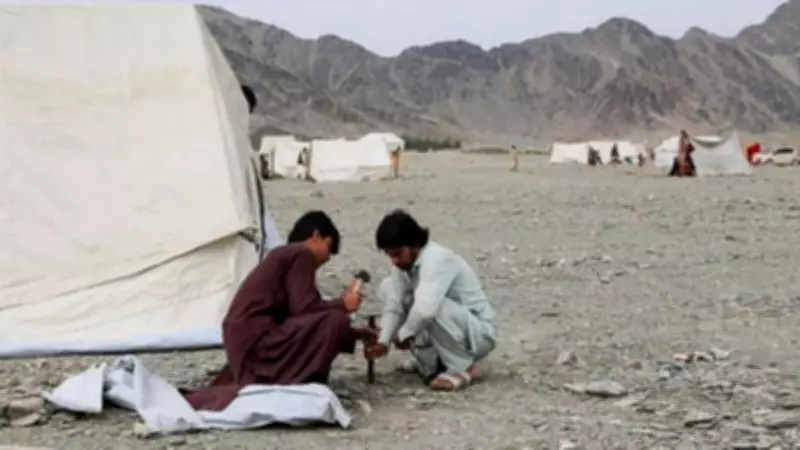
The ongoing operations have not only heightened security concerns but also raised humanitarian issues. Local communities along the border have been displaced due to the fighting, with reports of civilian casualties adding to the complexity of the situation. International observers warn that such escalations could destabilize the broader South Asian region, affecting peace efforts and economic stability.
Analysts note that Pakistan's aggressive stance is driven by domestic security pressures, including recent terrorist attacks attributed to cross-border militants. The government faces mounting public demand for stronger action against threats, prompting these large-scale military responses. Meanwhile, the Afghan Taliban's consolidation of power since taking over Afghanistan in 2021 has led to increased scrutiny of their external relations and internal governance.
Future Prospects and Diplomatic Challenges
Looking ahead, the situation remains precarious. Pakistan is likely to continue its military operations unless a diplomatic breakthrough is achieved with the Afghan Taliban. Key challenges include:
- Establishing effective border control mechanisms to prevent militant infiltration.
- Fostering dialogue between Pakistan and Afghanistan to address mutual security concerns.
- Mitigating humanitarian impacts on affected populations through aid and support.
The international community, including the United Nations and neighboring countries, is monitoring the developments closely. There are calls for mediated talks to de-escalate tensions and promote regional cooperation. However, with both sides entrenched in their positions, a swift resolution appears unlikely, suggesting that further military engagements and casualties may be on the horizon.