Russia Engages Iran Amid Escalating Tensions
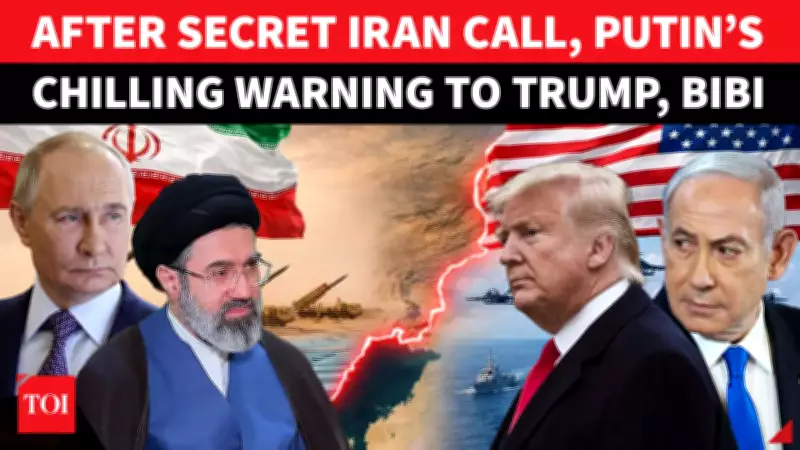
In a significant diplomatic move, Russian Foreign Minister Sergei Lavrov held discussions with Iranian Foreign Minister Abbas Araghchi, focusing on key issues including freedom of navigation through the Strait of Hormuz and the future of Iran's nuclear negotiations. The talks come at a time of heightened tensions in the Middle East, with clouds of conflict looming over Iran's nuclear program and regional stability.
Moscow's Mediation Role
Moscow reiterated its support for mediation efforts aimed at ending hostilities and stabilizing the region. The call followed high-level meetings in St. Petersburg, where Russia signaled its readiness to play an active role in shaping a political path toward de-escalation. The Kremlin's message appears directed at both US President Donald Trump and Israeli Prime Minister Benjamin Netanyahu, as Russia seeks to position itself as a key broker.
Strategic Implications
The Strait of Hormuz, a critical chokepoint for global oil shipments, remains a flashpoint. Iran has previously threatened to disrupt shipping in response to sanctions or military action. Russia's involvement underscores its strategic interest in maintaining maritime security and preventing a broader conflict that could impact global energy markets.

Nuclear Talks Stalled
Negotiations over Iran's nuclear program have faced repeated setbacks, with the US and Israel demanding stricter limits while Iran insists on its right to peaceful nuclear energy. Russia's push for a diplomatic solution aligns with its broader goal of countering Western influence in the region.
As tensions simmer, all eyes are on whether Russia's overtures can bridge the divide between Iran and its adversaries, or if the region is headed for further confrontation.