Qatar's Dramatic Air Defense Interception Prevents Major Iranian Attack
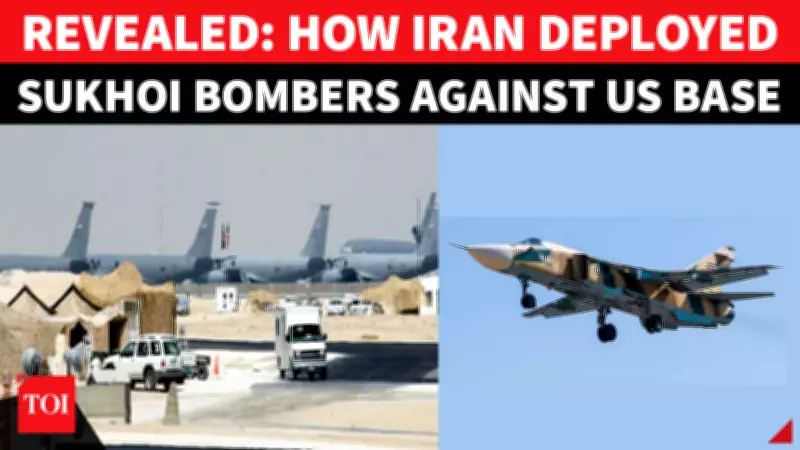
In a stunning development that has sent shockwaves through international security circles, explosive new details have emerged about the first-ever air-to-air combat engagement between Qatar and Iran. According to a CNN report citing two informed sources, Qatari F-15 fighter jets successfully intercepted and shot down two Iranian Su-24 bombers just minutes before they could execute a devastating strike on critical strategic targets.
The Narrowly Averted Attack on CENTCOM Headquarters
The Iranian aircraft were reportedly carrying bombs and guided munitions and were flying at an extremely low altitude of just 80 feet to evade radar detection. Their primary targets were identified as the strategically vital Al Udeid Air Base, which serves as the headquarters for the United States Central Command (CENTCOM) and represents the largest U.S. military presence in the Middle East, and the crucial Ras Laffan gas facility, a cornerstone of Qatar's energy infrastructure.
"The Iranian bombers were literally two minutes from impact when Qatari authorities classified them as hostile and scrambled their F-15 fighter jets," revealed one source familiar with the incident. This narrow timeframe highlights the precision and urgency of Qatar's defensive response, which officials have characterized as a necessary action against a direct violation of Qatari sovereignty.

Qatar's Swift Military Response
The Qatari Air Force's F-15s engaged the Iranian Su-24s over Qatari territorial waters, successfully neutralizing the threat before the bombers could reach their intended targets. This decisive action prevented what could have been a catastrophic attack with significant geopolitical ramifications, potentially drawing multiple nations into a broader regional conflict.
"This incident represents a significant escalation in regional tensions and demonstrates Qatar's capability and willingness to defend its airspace and critical infrastructure," noted a defense analyst familiar with Middle Eastern security dynamics. The successful interception also underscores the sophisticated coordination between Qatari defense systems and their ability to detect low-flying aircraft despite advanced evasion tactics.
Broader Regional Implications
The incident occurs against a backdrop of heightened regional tensions, with multiple reports of Iranian missile attacks targeting various locations across the Middle East. Recent developments include:
- Iranian ballistic missiles reportedly striking CENTCOM headquarters facilities
- Missile attacks forcing millions of Israelis to seek shelter in Tel Aviv and Jerusalem
- Hezbollah joining Iranian offensive operations with rocket attacks on northern Israel
- Iranian drones and missiles targeting U.S. diplomatic facilities in Saudi Arabia and Dubai
This specific interception by Qatari forces represents a significant moment in the evolving security landscape of the Persian Gulf region, demonstrating how regional powers are taking direct action to protect strategic assets and maintain sovereignty amid escalating conflicts.