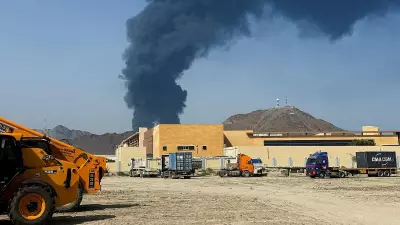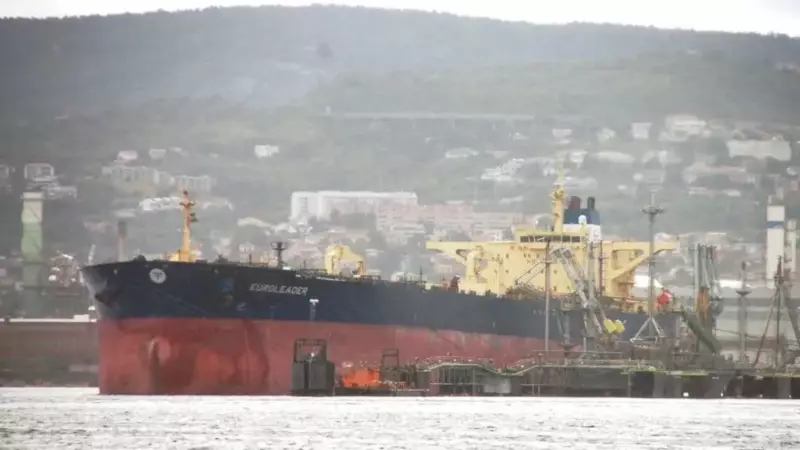
A vessel belonging to Russia's so-called 'shadow fleet' of oil tankers has sustained damage following a maritime drone attack launched by Ukrainian security forces. The incident occurred in the Kerch Strait area, near the annexed Crimean peninsula, marking a significant escalation in targeting energy infrastructure linked to Moscow's war efforts.
Details of the Maritime Attack
The targeted vessel was identified as the chemical tanker 'SIG', which was flying the Russian flag at the time of the assault. According to reports from Ukraine's security service (SBU), the attack was executed using a sea drone. The SBU claimed the operation was a success, stating the tanker suffered a critical hole in its engine room near the waterline on its starboard side.
This was not a random strike. Intelligence indicated the 'SIG' was actively involved in supplying fuel to Russian military units. Specifically, the tanker was implicated in transporting fuel for Russian fighter jets that have been conducting attacks on Ukrainian positions and civilian areas. The strike occurred around 11:20 PM local time on February 2nd.

The Shadow Fleet and Its Role
The attack brings into sharp focus the 'shadow fleet' – a collection of older tankers that Russia employs to circumvent Western sanctions and a price cap on its oil exports. These vessels often operate with opaque insurance and ownership, allowing Moscow to continue funding its military operations despite international restrictions.
The use of such a fleet carries substantial environmental and safety risks, as many ships are older and may not adhere to strict maritime standards. The attack on the 'SIG' underscores the growing vulnerability of these vessels as they become legitimate military targets in the conflict zone.
Implications and Regional Fallout
This incident is part of a broader pattern of Ukrainian strikes targeting Russian energy and logistical assets in the Black Sea region. It demonstrates Kyiv's expanding capability to project force at sea using innovative and cost-effective drone technology, challenging Russia's naval dominance in the area.
The attack near Crimea, a region illegally annexed by Russia in 2014, also highlights the ongoing volatility of the Black Sea. Such strikes threaten to disrupt key shipping lanes and could have implications for global energy markets, given the region's importance for oil and grain exports.
While Ukraine celebrates a tactical victory against a military supply line, the world watches the rising stakes in maritime warfare. The event signals that vessels involved in supporting Russia's war economy, regardless of their civilian appearance, are now in the crosshairs, potentially setting a new precedent for the conflict's front lines.