

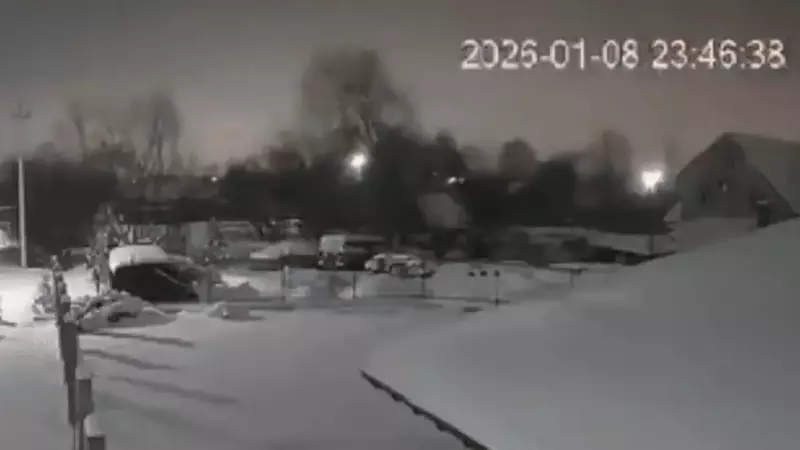
In a move that has sent shockwaves across European capitals, Russia conducted a high-speed ballistic missile test, which Ukrainian authorities believe was the formidable Oreshnik system. The incident, occurring late on Thursday, January 8, 2026, represents a significant and ominous escalation in the ongoing conflict.
The Midnight Alert and Lviv Explosions
According to reports from The New York Times and other major media outlets, Ukraine's air force issued a stark warning close to midnight. The alert pointed to a potential ballistic missile launch originating from a Russian strategic nuclear testing site. Shortly after this alert, powerful explosions rocked areas near the western Ukrainian city of Lviv.
While Ukrainian officials have not officially confirmed that the explosions were directly caused by a missile from that specific test, the timing and nature of the event have led to intense speculation. The weapon in question is suspected to be the intermediate-range Oreshnik missile, a system capable of reaching staggering speeds of approximately 13,000 kilometres per hour.

A Weapon of Strategic Significance
The Oreshnik missile is a potent symbol of Russia's advanced military technology. Its primary threat lies in its dual-capability nature; it can be armed with either conventional or nuclear warheads. Even if the test involved a dummy or conventional payload, as is often the case in such demonstrations, the message from the Kremlin was crystal clear.
The launch serves as a stark reminder of Russia's long-range strike capabilities, which can threaten not just Ukraine but also the security of its Western allies in Europe. The sheer velocity of the Oreshnik makes it exceptionally difficult to intercept with existing missile defence systems, posing a severe challenge to regional air defence networks.
Implications and Global Reaction
This test, authorised by President Vladimir Putin, is widely seen as a deliberate act of escalation. It moves beyond the tactical battlefield in Ukraine and into the realm of strategic signalling. By flexing its advanced nuclear-capable missile muscle, Russia is directly challenging Western support for Kyiv and testing the resolve of NATO nations.
The international community, particularly European nations, is likely to view this development with grave concern. It underscores the volatile nature of the conflict and the high stakes involved, where the spectre of advanced weaponry constantly looms over the region's stability. This event will undoubtedly prompt urgent discussions in Western security circles about bolstering defence and deterrence strategies in Eastern Europe.
In conclusion, the suspected test of the Oreshnik missile is more than a isolated military exercise; it is a calculated geopolitical manoeuvre. It amplifies the threats faced by Ukraine and signals Russia's willingness to showcase its most advanced systems, keeping the world on edge about the future trajectory of the war.






