

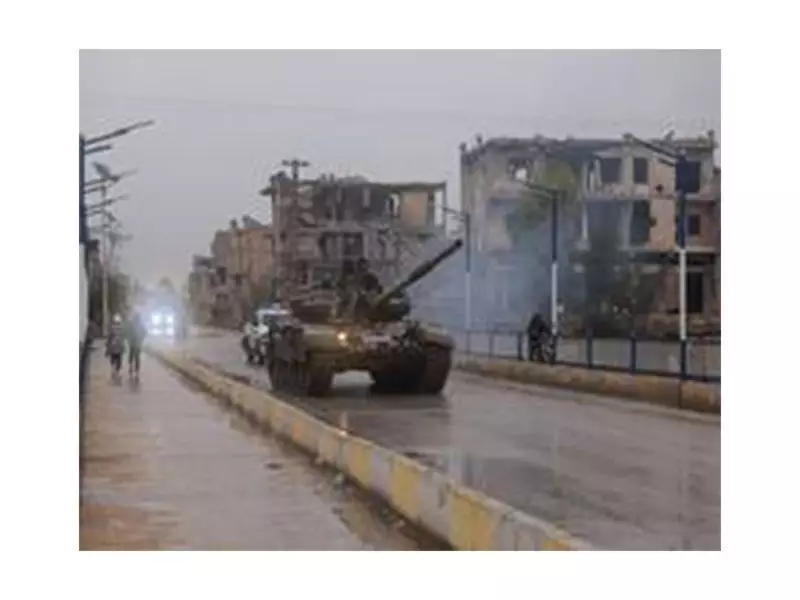
Syrian Army and Kurdish SDF Trade Accusations Over Ceasefire Breaches
In a significant development that threatens to destabilize the fragile peace in northeastern Syria, the Syrian Arab Army and the Kurdish-led Syrian Democratic Forces (SDF) have publicly accused each other of violating a ceasefire agreement. This exchange of allegations marks a troubling escalation in tensions between the two key military factions operating in the region, raising concerns about a potential resurgence of armed conflict in areas that have seen relative calm in recent months.
Mutual Allegations and Escalating Tensions
The Syrian Army, representing the government of President Bashar al-Assad, has issued a formal statement claiming that SDF fighters engaged in provocative military maneuvers and opened fire on its positions in several locations along the demarcation lines. According to army sources, these actions constitute a clear breach of the ceasefire protocols that were established to prevent clashes and facilitate humanitarian operations in the contested territories.
In a swift and forceful rebuttal, the SDF leadership has countered these claims by accusing the Syrian Army of launching targeted artillery strikes and conducting aggressive patrols near Kurdish-controlled villages. The SDF, which is backed by the United States and comprises primarily Kurdish YPG fighters along with Arab and Assyrian allies, asserts that these violations have endangered civilian populations and undermined trust-building efforts between the two sides.

Context of the Ceasefire and Regional Implications
The ceasefire in question was brokered as part of broader diplomatic initiatives aimed at reducing violence in Syria's northeastern provinces, where multiple armed groups, including remnants of ISIS, continue to operate. This region is strategically vital due to its oil resources and proximity to Turkey and Iraq, making any breakdown in the ceasefire particularly concerning for regional stability.
Analysts note that these mutual accusations come at a time when international attention is divided by other global crises, potentially allowing local tensions to flare unchecked. The situation is further complicated by the involvement of external actors, with Russia supporting the Syrian Army and the U.S. maintaining its alliance with the SDF, albeit with fluctuating levels of commitment.
Humanitarian and Security Consequences
If these allegations lead to renewed hostilities, the humanitarian impact could be severe. Northeastern Syria is home to displaced populations from various ethnic and religious backgrounds, many of whom rely on ceasefire arrangements for access to aid and safe passage. Violations threaten to disrupt supply routes and exacerbate an already dire economic situation, characterized by food shortages and inadequate medical facilities.
From a security perspective, any escalation between the Syrian Army and the SDF could create openings for extremist groups to regroup and launch attacks, reversing gains made in the fight against terrorism. It also risks drawing in neighboring countries like Turkey, which has historically viewed Kurdish forces with suspicion and has conducted military operations against them in the past.
Calls for De-escalation and Monitoring
In response to the growing tensions, local civil society organizations and international observers have called for immediate de-escalation measures. They emphasize the need for both parties to adhere to the ceasefire terms and engage in dialogue through established communication channels. Some have suggested enhancing monitoring mechanisms, possibly involving United Nations personnel or neutral third parties, to verify claims and prevent misinformation from fueling further conflict.
The international community, including key stakeholders like the United States, Russia, and regional powers, is urged to play a more active role in mediating these disputes. Diplomatic efforts must focus on addressing the root causes of the conflict, such as territorial disputes and political representation for Kurdish communities, to achieve a lasting peace.

As the situation unfolds, the world watches closely, hoping that cooler heads will prevail and that the ceasefire violations will not spiral into a full-blown confrontation. The stakes are high, not only for Syria's future but for regional security and the global fight against extremism.





