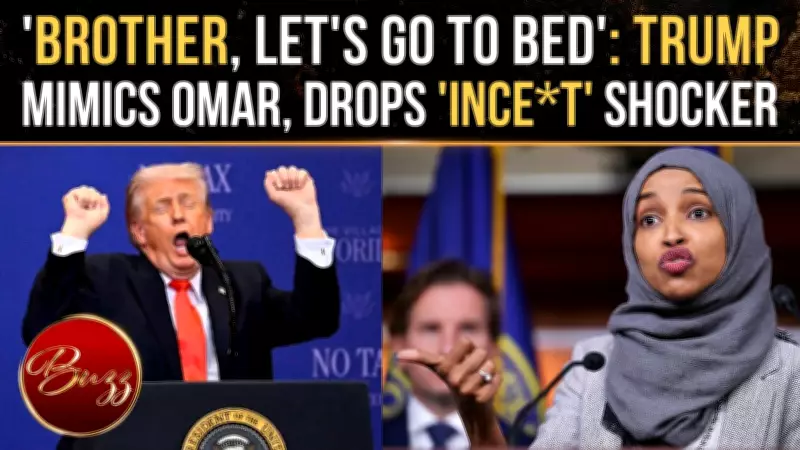
U.S. President Donald Trump has ignited a firestorm of controversy with his latest remarks targeting Representative Ilhan Omar. During a rally-style event in Florida, Trump launched a fresh attack on Omar, reviving widely disputed claims about her personal life, specifically her marriage. The comments have drawn sharp criticism from across the political spectrum, with many accusing the president of spreading misinformation and engaging in divisive rhetoric.
Details of the Remarks
At the Florida rally, Trump made inflammatory statements about Omar's marriage, which critics say were baseless and intended to stoke racial and religious tensions. The president also targeted Somalia and Somali immigrants, linking them to his broader narrative on immigration and national security. These remarks come amid ongoing debates over the tone of public discourse in American politics.
Backlash and Reactions
The backlash was swift and widespread. Political opponents, including members of Congress and advocacy groups, condemned the remarks as racist and xenophobic. Social media platforms saw a surge of criticism, with hashtags calling out the president's rhetoric. Some defenders argued that Trump was merely highlighting legitimate concerns, but fact-checkers quickly debunked the claims about Omar's marriage.

Broader Implications
This incident has renewed debate over the role of misinformation in political campaigns and the impact of presidential rhetoric on public discourse. Critics argue that such attacks normalize divisive language and undermine democratic norms. Supporters, however, see it as part of Trump's unfiltered style that resonates with his base.
Context of Political Rhetoric
Ilhan Omar, one of the first Muslim women elected to Congress, has frequently been the target of conservative attacks. Trump's comments are the latest in a series of controversial statements targeting her. The incident highlights the deep polarization in U.S. politics and the challenges of maintaining civil discourse.
As the 2026 midterm elections approach, the fallout from these remarks could have significant implications for both parties. The debate over political rhetoric is likely to continue, with calls for greater accountability and fact-based communication.