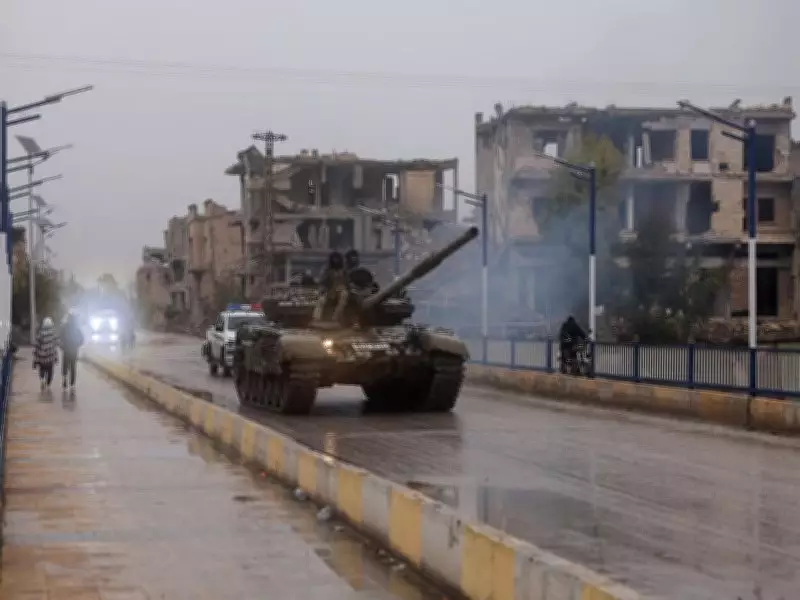
US Military Launches Major Retaliatory Operation Against ISIL in Syria
The United States Army has initiated a significant series of retaliatory strikes targeting dozens of ISIL (Islamic State of Iraq and the Levant) objectives within Syrian territory. This military action comes as a direct response to recent attacks on American personnel and assets stationed in the region, underscoring a firm commitment to counter-terrorism efforts.
Scope and Execution of the Strikes
According to official statements from the US Department of Defense, the operation involved precision airstrikes and coordinated assaults on multiple ISIL facilities. These targets included command centers, weapons storage depots, training camps, and logistical hubs utilized by the terrorist organization. The strikes were meticulously planned to minimize civilian casualties while maximizing impact on ISIL's operational capabilities.
The retaliatory measures were authorized following intelligence assessments that linked ISIL to recent provocations against US forces. Military officials emphasized that the action was necessary to degrade the group's ability to plan and execute further attacks, thereby enhancing security for American troops and regional allies.

Strategic Implications and Regional Context
This escalation in military engagement highlights the ongoing volatility in Syria, where multiple factions, including ISIL remnants, continue to pose threats. The US Army's strikes signal a robust stance against terrorism, reinforcing deterrence strategies in a complex geopolitical landscape. Analysts note that such operations are part of broader counter-insurgency efforts aimed at preventing the resurgence of ISIL, which had previously controlled vast territories in Iraq and Syria.
The timing of these strikes is particularly significant, as they occur amidst heightened tensions in the Middle East. By targeting ISIL infrastructure, the US aims to disrupt the group's financing, recruitment, and attack planning, thereby contributing to regional stability. However, the action also raises questions about the long-term strategy for US involvement in Syria, where diplomatic and military challenges persist.
Response and Future Outlook
Initial reports indicate that the strikes have successfully neutralized key ISIL assets, with assessments ongoing to evaluate the full extent of the damage. The US Army has stated that it will continue to monitor the situation closely, prepared to take further action if necessary to protect its interests and allies.
- Enhanced Surveillance: Increased reconnaissance and intelligence-gathering efforts are expected to follow, ensuring proactive measures against potential retaliatory moves by ISIL.
- International Coordination: The operation underscores the importance of collaboration with regional partners, including Kurdish-led forces and other coalitions, in combating terrorism.
- Policy Considerations: This development may influence future US foreign policy decisions regarding military deployments and counter-terrorism initiatives in conflict zones.
In conclusion, the US Army's retaliatory strikes on dozens of ISIL targets in Syria represent a decisive military response to threats against American forces. As the situation evolves, these actions will likely shape the dynamics of counter-terrorism operations in the region, with implications for global security and diplomatic relations.