US-Iran War Live: Ghalibaf Warns US 'Evil Will Diminish' as Hormuz Tensions Surge
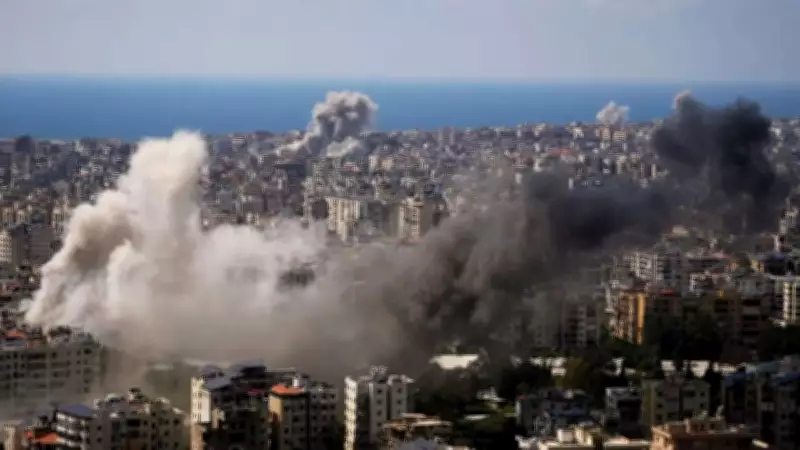
The United States and Iran have intensified hostilities in the Gulf, carrying out fresh missile and drone strikes as they compete for control over the Strait of Hormuz, a key global energy route. The renewed clashes come despite a recent ceasefire, raising concerns about a broader escalation in the region. The latest round of attacks includes reported explosions and fires on merchant vessels, as well as strikes on infrastructure in the United Arab Emirates, including an oil port in Fujairah. These developments signal a widening of the conflict's geographical scope.
Iran's Warning and New Equation
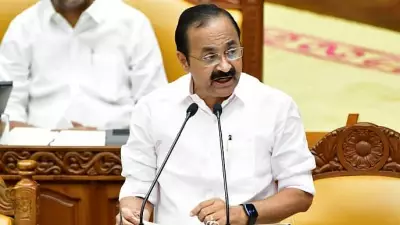
Mohammad Bagher Ghalibaf, Iran's parliament speaker, stated on Tuesday that US actions were endangering shipping and energy transit in the Strait of Hormuz. In a post on X, he said, "Shipping and energy transit security have been endangered by the United States and its allies through breaching the ceasefire and imposing a blockade." He warned that a "new equation" was taking shape in the strategic waterway, adding, "We know well that the continuation of the status quo is unbearable for America, while we have not even started yet."
US President Trump Dismisses Polls, Threatens Iran
US President Donald Trump rejected opinion polls showing waning public support for the war against Iran, calling them "fake" during remarks at a small business summit. He criticized polling data that suggested low approval for the military action, stating, "They give me fake polls. They did a poll on the war with Iran, and they said only 32 per cent of people like it. Well, I don't like it, and I don't like war at all, but we're equipped better, and we have the greatest military in the world." Trump also suggested that Iran would be "blown off the face of the Earth" if it attacked US vessels involved in 'Project Freedom'. He claimed US forces had destroyed "seven" small vessels linked to Iran, escalating tensions around the Strait of Hormuz. In a Truth Social post, Trump said, "We've shot down seven small Boats or, as they like to call them, 'fast' Boats. It's all they have left."

Project Freedom and Escalation
The escalation follows the US launch of 'Project Freedom', an initiative aimed at reopening the strait to commercial shipping. The US military has claimed success in escorting vessels and neutralizing threats, including the destruction of six Iranian boats. However, Iran has rejected these claims and warned against any foreign military presence in the area. The Strait of Hormuz remains central to the crisis, as it is one of the world's most critical oil transit routes. Continued disruption has pushed up oil prices and increased shipping insurance costs, reflecting growing uncertainty in global markets.
Impact on UAE and Global Economy
The UAE's non-oil private sector expanded at its slowest pace since February 2021 in April as the Iran war hammered shipping and tourism, hitting sales and exports alike. The seasonally adjusted S&P Global UAE Purchasing Managers' Index fell to 52.1 in April from 52.9 in March, although it remained in growth territory above the 50 mark. New orders grew at the slowest pace in more than five years, and foreign sales dropped sharply. Price pressures intensified, with input cost inflation hitting its highest level since July 2024 and selling prices rising at the fastest pace since June 2011. Energy disruptions due to the Iran war are expected to weigh heavily on Gulf oil and gas exporters' economies, according to the International Monetary Fund.

Diplomatic Efforts and Stalled Talks
Iran's foreign ministry spokesman Esmaeil Baqaei said on Monday that the United States must reduce its demands on the Islamic republic, with negotiations stalled over ending the two-month-long Middle East war. "At this stage, our priority is to end the war," he said. "The other side must commit to a reasonable approach and abandon its excessive demands regarding Iran." Negotiations between the two countries have been stalled since a ceasefire took effect on April 8, with only one round of direct peace talks held so far. A key sticking point has been Iran's stranglehold on the Strait of Hormuz since the US and Israel launched strikes on February 28, choking off major flows of oil, gas and fertiliser, while the United States has imposed a blockade on Iranian ports. Iran has submitted a 14-point proposal "focused on ending the war," and Washington has responded to it in a message to Pakistani mediators, according to Baqaei.
Regional and Global Implications
Both sides have issued conflicting accounts of events, making it difficult to independently verify developments on the ground. Shipping companies have adopted a cautious approach, avoiding the strait amid fears of further attacks. The crisis has already had global repercussions, with oil prices surging and insurance costs spiking. Diplomatic efforts continue, with Iran indicating that talks mediated by Pakistan are ongoing. Iranian officials have emphasized that a military solution is not viable, even as tensions continue to rise. The evolving situation underscores the high stakes involved, with implications not only for regional stability but also for global energy security and economic stability.