

Fragile Ceasefire Under Mounting Strain as Regional Tensions Escalate
The delicate ceasefire agreement between the United States, Israel, and Iran is facing severe pressure as military activities and geopolitical tensions continue to intensify across the Middle East. Israeli strikes in Lebanon have become a critical flashpoint, with reports indicating over 300 fatalities in what is described as the deadliest day of fighting since the conflict began. This escalation raises significant questions about whether the truce extends to Hezbollah, Iran's key ally in the region.
Trump's Diplomatic Intervention and Israeli Response
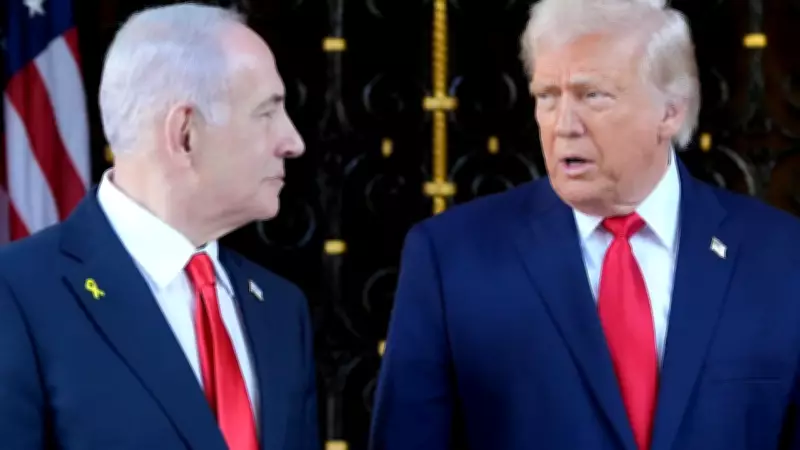
In a notable development, former President Donald Trump engaged in a phone conversation with Israeli Prime Minister Benjamin Netanyahu, urging Israel to scale back its strikes in Lebanon to support upcoming negotiations. Trump confirmed this discussion in a media interview, stating that Netanyahu is planning to "low-key" operations. Vice President JD Vance echoed a similar sentiment, suggesting that Israel might "check themselves a little bit" in their assault on Lebanon. Despite these diplomatic gestures, Iran has issued stern warnings of "strong responses" if attacks on its allies persist, maintaining a firm grip over the strategically vital Strait of Hormuz.
Economic and Geopolitical Implications of Hormuz Control
The Strait of Hormuz remains a critical chokepoint for global energy supplies, with shipping traffic significantly below normal levels due to ongoing tensions. Iran's Mojtaba Khamenei has signaled a harder line, vowing tighter control over the strait and seeking compensation for wartime losses. This situation heightens concerns about oil flows and global market stability, as disruptions could lead to supply shocks and increased volatility.

Regional Spillovers and Accusations
The conflict's spillover effects are becoming increasingly visible across the Gulf region. Kuwait has reported drone strikes on key facilities, attributing them to Iran and its proxies, though Tehran has denied involvement through the Islamic Revolutionary Guard Corps, dismissing the reports as the work of the "Zionist enemy or America." Simultaneously, Saudi Arabia has acknowledged damage to critical oil infrastructure, including pipelines that bypass Hormuz, signaling broader risks to energy security and regional stability.
Diplomatic Efforts and International Stances
Diplomatic initiatives are intensifying but remain fraught with uncertainty. Talks between US and Iranian officials are expected in Islamabad, while Israel has indicated a willingness to engage in negotiations with Lebanon in Washington. However, both sides continue to assert battlefield gains, complicating the path to a durable agreement. In a related international development, Australia has ruled out taking on an offensive military role in the conflict, with Acting Prime Minister Richard Marles rejecting calls for increased involvement despite pressure from the United States.
Political Dynamics and Internal Criticism
Domestically, Donald Trump has faced criticism from right-wing commentators, including Tucker Carlson and Megyn Kelly, who accuse him of abandoning his anti-war stance. Trump responded sharply in a social media post, labeling his critics as "stupid people." This internal political friction adds another layer of complexity to the US approach to the conflict.
Conclusion: A Precarious Path Forward
With military, economic, and geopolitical pressures converging, the ceasefire appears increasingly fragile. The region remains on edge as leaders express cautious optimism amidst ongoing hostilities. The combination of heavy bombardment in Lebanon, Iranian threats, and regional disruptions underscores the high risk of a broader escalation, leaving the international community closely monitoring developments in this volatile situation.






