The United States launched fresh airstrikes on Iran on June 28, 2026, targeting military installations in response to what Washington described as a violation of the ceasefire agreement. President Donald Trump warned that the US would not hesitate to take further military action if the ceasefire is breached again.
Details of the Strikes
According to the Pentagon, the strikes hit multiple sites linked to Iran's Islamic Revolutionary Guard Corps (IRGC) and its proxy forces. The operation involved precision-guided munitions and was conducted by aircraft from the US Navy and Air Force. The strikes destroyed several missile batteries and command centers, according to initial reports.
“The United States will not tolerate any violation of the ceasefire,” President Trump said in a statement. “If Iran or its proxies take any further aggressive action, we will respond with overwhelming force. Our military is ready and capable of defending American interests and allies.”

Ceasefire Context
The airstrikes came hours after a fragile ceasefire, brokered by the United Nations and Qatar, was allegedly broken by Iranian-backed militias. The ceasefire had been in place since June 25, 2026, following a series of escalating clashes that included drone attacks on US bases in Iraq and Saudi Arabia. The US had previously launched limited strikes on June 23, which Iran retaliated against by firing missiles at US positions in Syria.
Iranian state media reported that at least 12 IRGC members were killed in the latest strikes, though the Pentagon did not confirm casualties. Iran's Foreign Ministry condemned the attacks as “a blatant act of aggression” and warned of “severe consequences.”
International Reactions
The UN Security Council held an emergency session late on June 28, where the US defended its actions. US Ambassador to the UN Linda Thomas-Greenfield stated: “The United States acted in self-defense under Article 51 of the UN Charter. We remain committed to diplomacy, but we will not stand idly by while our troops are threatened.”
Russia and China called for restraint and urged both sides to return to the negotiating table. Russian Ambassador Vasily Nebenzya said: “This cycle of violence must end. We call on all parties to respect the ceasefire and avoid further escalation.”
Impact and Analysis
The strikes mark a significant escalation in US-Iran tensions, which have been high since the US withdrawal from the Joint Comprehensive Plan of Action (JCPOA) in 2018. Analysts warn that the situation could spiral into a broader conflict, drawing in regional allies such as Israel, Saudi Arabia, and the UAE.
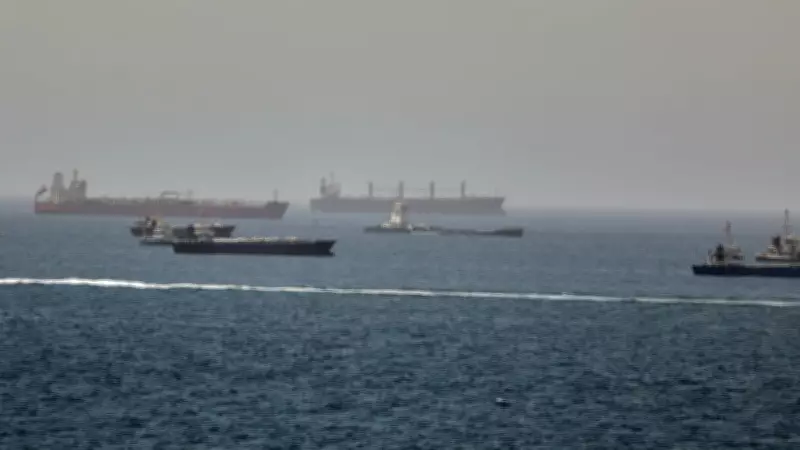
Oil prices surged by 4% on June 29, with Brent crude trading above $85 per barrel. Global markets reacted nervously, with major indices falling due to fears of supply disruptions in the Strait of Hormuz.
Next Steps
President Trump emphasized that the US is open to renewed diplomacy but will maintain a “maximum pressure” posture. Meanwhile, Iran has called for an emergency meeting of the Organization of Islamic Cooperation to discuss the strikes. The Pentagon has ordered additional naval assets to the Persian Gulf, including the USS Dwight D. Eisenhower carrier strike group.