The United States and Iran exchanged fresh strikes for the second consecutive day, with Washington targeting around 90 Iranian military sites and Tehran retaliating by attacking US bases in Bahrain and Kuwait, escalating fears of an oil crisis and regional instability.
US Strikes Target Iranian Military Infrastructure
The US military's Central Command (CENTCOM) announced early Thursday that it had completed an additional round of strikes against Iran to further degrade Iran's ability to attack commercial shipping and innocent civilian mariners in the Strait of Hormuz. The US said around 90 Iranian military targets were struck, including air defence systems, coastal surveillance assets, missile and drone storage sites, naval capabilities, and military logistics infrastructure along Iran's coastline.
The strikes targeted the eastern Iranian cities of Iranshahr, Bandar Abbas, Konarak, Chabahar and Bushehr, as well as Aq Qala in northeastern Iran. One firefighter was killed in an attack on Iranshahr airport, Iran's state news agency IRNA reported. Iranian officials told the Fars news agency that the attacks on Chabahar included strikes on a maritime control tower and a depot. Iranian state media also reported that a railway bridge had been targeted in Aq Qala.

Iran Retaliates Against US Bases in Bahrain and Kuwait
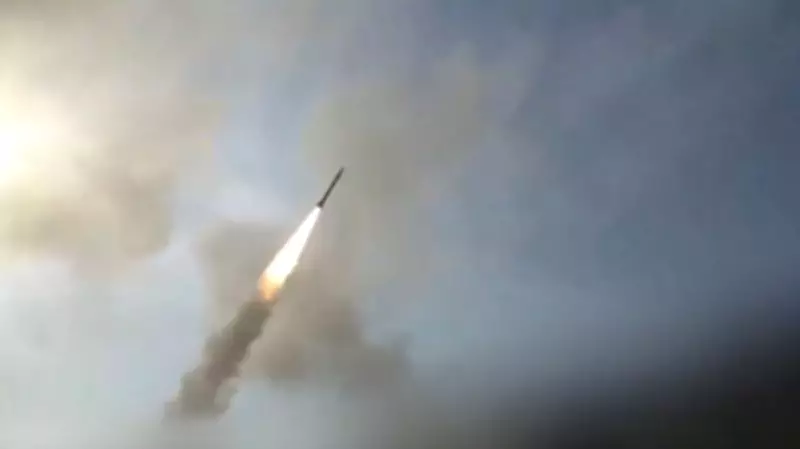
Hours after the US strikes, Iran launched missiles at US bases in Bahrain and Kuwait. Iran's Islamic Revolutionary Guard Corps (IRGC) warned that any future response could extend to other US bases in the region if Washington continued its attacks. Ebrahim Rezaei, spokesperson for the Iranian Parliament's National Security Committee, also warned of retaliation. “Wait for the hard slap by Iranians,” he wrote on X.
Mohammad Bagher Ghalibaf, Speaker of Iran's Parliament, said the Strait of Hormuz “will only open with Iranian arrangements, not American threats.” The US administration has maintained that the memorandum of understanding (MoU) signed on June 17 requires unfettered passage for all vessels. Since the signing of the MoU, opening a 60-day window for peace negotiations, the US has maintained that any spike in conflict and military clashes stems from Iran exercising sovereignty over the Strait of Hormuz, which the White House says is an international waterway vital to the global economy.
India Calls for Restraint and De-escalation
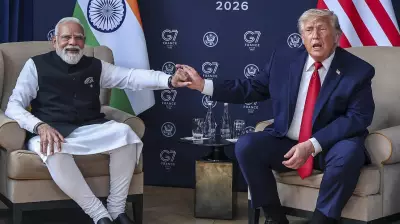
Responding to the escalating conflict, New Delhi said it was “deeply concerned” over the recent attacks and rising tensions in West Asia. Calling the developments a risk to regional peace, security and stability, the Ministry of External Affairs said, “India calls upon all parties to exercise restraint, de-escalate tensions, and ensure protection of civilians as well as the uninterrupted flow of energy supplies and commerce.”
Shipping through the vital Strait of Hormuz has dropped sharply, fuelling fears of an oil crisis. Both sides have threatened further escalation. Speaking to reporters aboard Air Force One, US President Donald Trump said, “We just hit them very hard, and I say we hit them 20 to 1,” adding that every time “they hit us, we're going to hit them 20.”