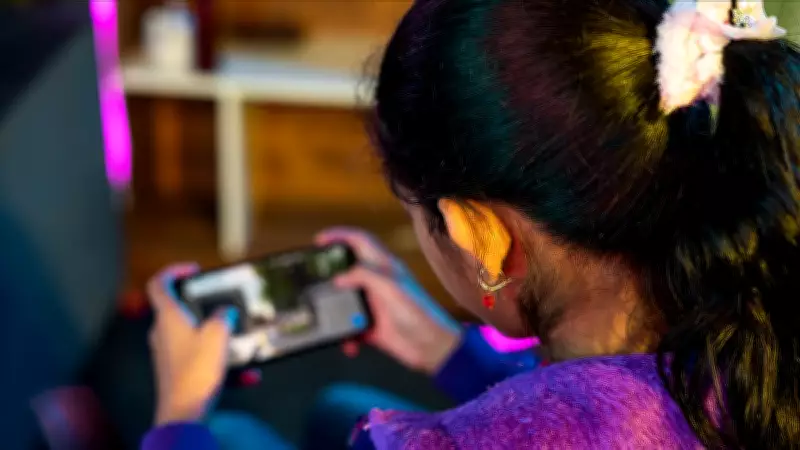
Australia Leads with Nationwide Social Media Ban for Under-16s
Australia has become one of the first countries to implement a nationwide social media ban for children under 16, shifting the responsibility onto technology intermediaries. The landmark decision, announced on 9 July 2026, places the onus on platforms like Instagram, TikTok, and Snapchat to prevent underage access, rather than relying on parental controls or self-regulation.
Why Australia Took This Step
The move comes amid growing evidence of the harms of digital childhood. A 2025 study by the Australian Institute of Family Studies found that children aged 12-15 who spend more than three hours daily on social media are 60% more likely to report symptoms of anxiety or depression. Prime Minister Emma Chen stated, “We cannot let a generation be lost to algorithms. This ban is about reclaiming childhood.”
How the Ban Works
Under the new law, social media companies must verify users' ages using government-issued ID or biometric data. Failure to comply could result in fines of up to 5% of global annual turnover. The ban covers all major platforms, including Facebook, Instagram, TikTok, Snapchat, and X (formerly Twitter). Exceptions exist for messaging apps like WhatsApp and educational platforms such as Google Classroom.

Impact on Children and Families
Parents have expressed mixed reactions. While many welcome the move, some worry about enforcement and privacy. “I support the ban, but I’m concerned about how my child’s data will be handled during age verification,” said Sarah Mitchell, a mother of two from Sydney. Child psychologists have praised the decision, noting that social media can disrupt sleep, reduce physical activity, and expose children to cyberbullying and inappropriate content.
Global Context and Criticism
Australia is not alone in its efforts. The United Kingdom is considering similar legislation, and France has already banned social media for under-15s without parental consent. However, critics argue that bans may drive children to unregulated platforms or isolate them from peer networks. The Australian Human Rights Commission warned that the law must not infringe on children’s rights to participation and expression.
What This Means for Tech Companies
Technology intermediaries now face a significant compliance challenge. Meta, TikTok, and Snap have all stated they will work with the Australian government to implement the ban but have raised concerns about feasibility. “We are committed to safety, but age verification at scale is technically complex and raises privacy issues,” a Meta spokesperson said.
Looking Ahead
The ban will take effect in January 2027, giving companies six months to comply. Australia’s eSafety Commissioner will oversee enforcement. As the first such nationwide measure, it sets a precedent that could influence global policy. The debate over digital childhood—balancing safety with connectivity—is far from over, but Australia has drawn a clear line in the sand.