

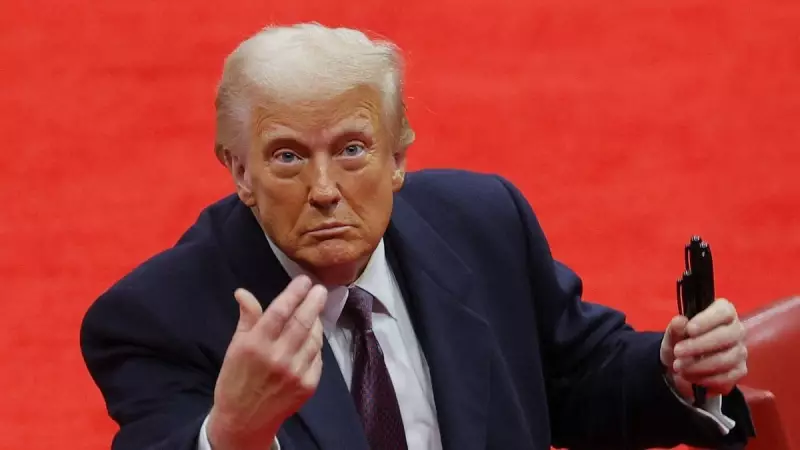
Trump Hikes Tariffs on South Korea to 25%, Citing Deal Non-Compliance
In a significant development that could strain diplomatic and economic ties, former United States President Donald Trump has declared a substantial increase in tariffs on imports from South Korea, raising them to 25%. This decision comes amid accusations from Trump that South Korea is not living up to its commitments under a bilateral trade agreement between the two nations.
Allegations of Deal Breach Prompt Tariff Surge
Trump, known for his "America First" trade policies during his presidency, has publicly criticized South Korea for what he perceives as a failure to honor the terms of their trade deal. According to his statements, Seoul has not fulfilled its obligations, leading to what he describes as an unfair advantage for South Korean exporters at the expense of American businesses and workers. The tariff hike to 25% represents a sharp escalation from previous rates and is intended to pressure South Korea into compliance or renegotiation of the agreement.
Potential Impact on US-South Korea Relations
This move is likely to have far-reaching consequences for the longstanding alliance between the United States and South Korea, which extends beyond trade to include security cooperation in the region. Key points to consider include:

- Economic Repercussions: The increased tariffs could lead to higher prices for South Korean goods in the US market, affecting consumers and industries that rely on these imports.
- Diplomatic Strain: South Korea may view this as a provocative action, potentially souring relations and complicating joint efforts on issues like North Korea.
- Global Trade Dynamics: This decision could signal a return to protectionist policies under Trump, influencing other trade partners and global economic stability.
Background on the US-South Korea Trade Deal
The trade agreement in question, often referred to as KORUS FTA, was originally signed in 2007 and revised in 2018 under Trump's administration to address concerns about trade deficits and market access. Trump has consistently argued that the deal favors South Korea, and this tariff increase is seen as a direct response to his ongoing dissatisfaction with its implementation. Experts note that such actions could undermine trust in international trade pacts and lead to retaliatory measures from South Korea.
As trade tensions simmer, the international community watches closely to see how South Korea will respond and whether this will lead to a broader trade dispute between the two allies.






