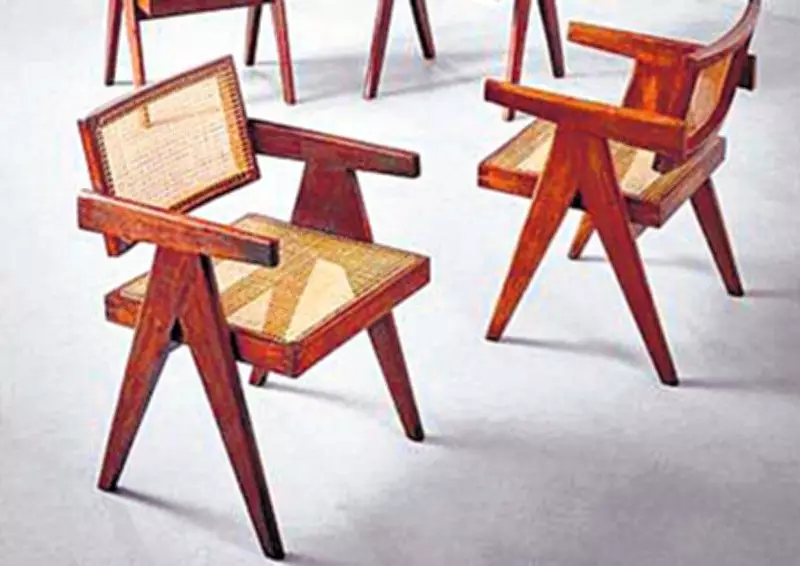
Paris Auction Halted: A Victory for Heritage Preservation
The withdrawal of two heritage chairs from an auction in Paris, following swift intervention by Indian diplomats in France, marks a significant turning point in efforts to preserve Chandigarh's modernist legacy. The teak-and-cane armchairs, designed by Pierre Jeanneret, bear inventory markings linking them to Panjab University's Chemistry Department and the Postgraduate Institute of Medical Education and Research (PGIMER). These simple yet elegant chairs are globally celebrated as classic design pieces, often fetching high prices at auctions in Europe and the United States.
The UT administration's rapid action this time signals a potentially more robust approach to recovery efforts and accountability. For years, suspected theft, illegal export, sale, and trafficking of such heritage items have continued largely unchecked. The Paris reprieve provides a lifeline for Chandigarh to reassess its conservation strategies.
Systemic Laxity in Heritage Protection
Recurring concerns persist about how heritage items leave the country and whether their export complies with Indian law. Beyond legal compliance, a more disturbing issue is the overall lack of appreciation for cultural and architectural heritage, coupled with negligence in safeguarding this legacy. Public institutions in Chandigarh are answerable on both fronts, but the public at large has also shown scant regard for these treasures.

This same disinterest in fixing shortcomings is evident in the city's landmark spaces meant to celebrate the arts. Chandigarh must seize this moment to redouble efforts to reclaim a largely ignored but invaluable heritage. The city, known for Nek Chand's unique magical rock garden, paradoxically struggles with conservation and preservation efforts that do not receive adequate attention.
Funding Challenges and the Way Forward
Inadequate funding is often cited as a barrier, but it is a lame excuse in the absence of passion and a desire to hold on to a treasure trove of seemingly ordinary but truly extraordinary inheritance. The visionaries who sculpted Chandigarh—Le Corbusier, Pierre Jeanneret, and others—deserve a more spirited collective effort from both authorities and citizens.
If public-private initiatives are the way forward, the administration must explore all possibilities and act decisively. The Paris auction halt underscores the need for a proactive strategy, including better inventory management, stricter export controls, and public awareness campaigns. Chandigarh must not let this opportunity slip away.
Accountability and Future Steps
The swift action by the UT administration hopefully marks the beginning of a more robust approach to recovery efforts and fixing accountability. According to The Tribune editorial, the incident sets a precedent for a more proactive strategy to preserve Chandigarh's modernist heritage. Moving forward, authorities should conduct thorough audits of heritage items in public institutions, strengthen legal frameworks against illegal export, and engage with international auction houses to prevent future sales.
The public, too, must play a role by valuing and protecting the city's unique architectural and cultural assets. Only through collective action can Chandigarh truly honor its legacy and ensure that its heritage is preserved for future generations.