China's Brahmaputra Dam Project Under Threat from Glacial Lake Outburst Floods
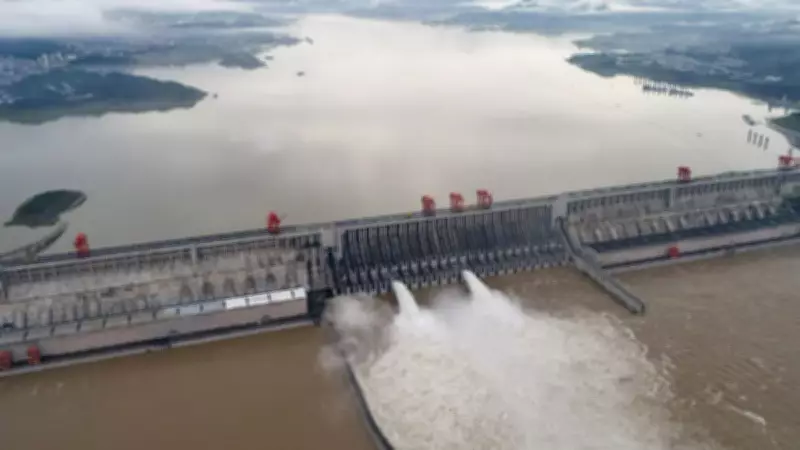
China's ambitious dam project on the Brahmaputra River is facing a significant natural threat from glacial lake outburst floods (GLOFs), raising alarms in Beijing about potential structural damage and environmental consequences. The dam, part of China's extensive hydropower development in Tibet, is located downstream of several glacial lakes that have been expanding due to climate change.
What is a Glacial Lake Outburst Flood?
A glacial lake outburst flood occurs when a dam containing a glacial lake fails, releasing a large volume of water downstream. These events can be triggered by earthquakes, landslides, or the gradual melting of ice dams. In the context of the Brahmaputra, the risk is heightened by the region's seismic activity and the rapid retreat of glaciers in the Himalayas.
Details of the Threat
According to a study by the Chinese Academy of Sciences, there are over 1,000 glacial lakes in the Brahmaputra basin, with several posing a direct threat to the dam. The study noted that the lake's volume has increased by 50% in the past decade, making it a 'ticking time bomb.' Chinese authorities have reportedly expressed concern that a GLOF could breach the dam's spillway or damage its foundation, leading to catastrophic flooding downstream in India and Bangladesh.

Impact on the Dam Project
The dam, which is expected to generate 10,000 megawatts of electricity, has already faced delays due to geological challenges. The threat of GLOFs has prompted engineers to redesign certain components, including the installation of additional drainage tunnels and early warning systems. However, experts argue that these measures may not be sufficient to mitigate the risk.
Alarms in Beijing
Beijing has reportedly raised the alert level for the dam project, with senior officials calling for a comprehensive risk assessment. 'The safety of the dam is a national priority,' said a spokesperson for the Ministry of Water Resources, according to state media. 'We are taking all necessary precautions to prevent a disaster.'
Environmental and Geopolitical Implications
The potential failure of the dam could have severe environmental and geopolitical implications. A GLOF could release millions of cubic meters of water, causing widespread destruction in Tibet and downstream regions. India has previously expressed concerns about China's upstream dams on the Brahmaputra, which could affect water flow and exacerbate flooding during monsoon seasons. The threat of a GLOF adds a new dimension to these tensions, as a catastrophic failure could trigger a humanitarian crisis and diplomatic fallout.
Conclusion
China's Brahmaputra dam project is facing a natural threat that underscores the challenges of building large infrastructure in ecologically sensitive areas. While Beijing is taking steps to address the risk, the long-term viability of the project remains uncertain. The situation highlights the need for international cooperation on transboundary river management and disaster preparedness.